What Impacts Research Choices?

A recently released report by Council of Canadian Academies, Informing Research Choices: Indicators and Judgment, says that quantitative indicators, such as the number of publications and citation counts, cannot replace expert judgment when making decisions on allocating research grants.

Existing science assessment strategies can be categorized in many ways, including deliberative methods, such as peer review, and quantitative indicators, like publication and citation counts, numbers of researchers or students, research funding amounts, etc. “Quantitative indicators should be used to inform rather than replace expert judgment in the context of science assessment for research funding allocation.” The research panel reviewed the best practices worldwide and concluded that “the most promising strategies rely on a balanced use of quantitative indicators and expert judgment”.

The findings of this report will be used to devise a new budget allocation methodology for Natural Sciences and Engineering Research Council of Canada (NSERC)’s Discovery Grants Program. The current edition of Evaluation Indicators is available on NSERC’s website.

Adapted from Metrics can’t replace expert judgment in science assessments

· · · — — — · · ·

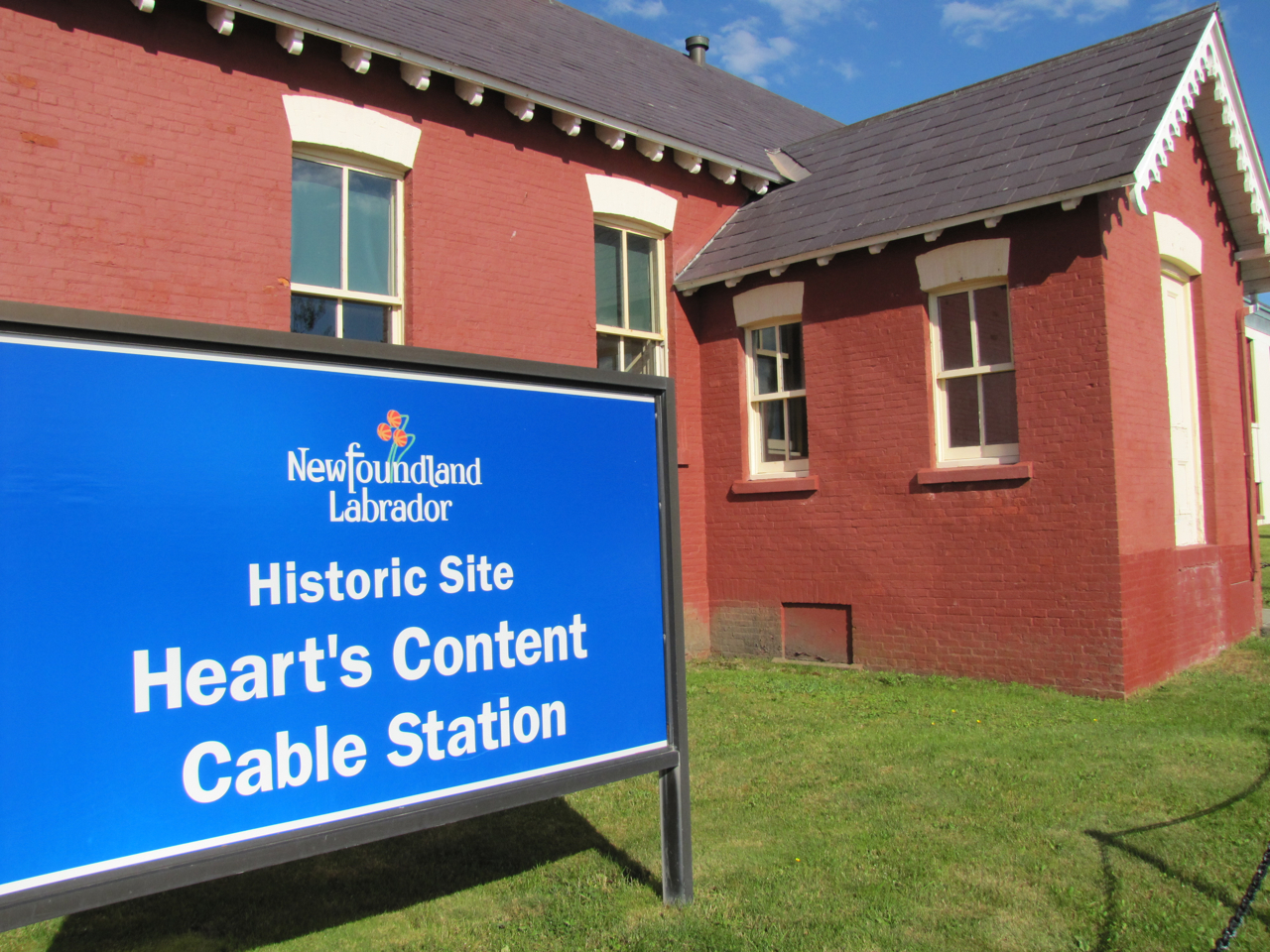
While in Newfoundland last week I stumbled upon this cable station and learned the story of a man who’s dream it was to run a cable clear across the Atlantic.

The Heart’s Content Cable Station is a provincial historic site, where, after a few mishaps, Cyrus Field’s telegraph cable reached out to Valencia, Ireland. Cables were already in place across America, which allowed for messages to be spelled out in Morse code (a series of dots and dashes) by telegraph, but before 1866 you would have had to wait patiently for weeks for messages to travel to Europe and back by sea (gasp!).

Learn more about the transatlantic cable and the mammoth ship that carried it, the Great Eastern, from PBS or Wikipedia.

Image by April Colosimo

Transgenic Mosquitoes to Fight Dengue Fever

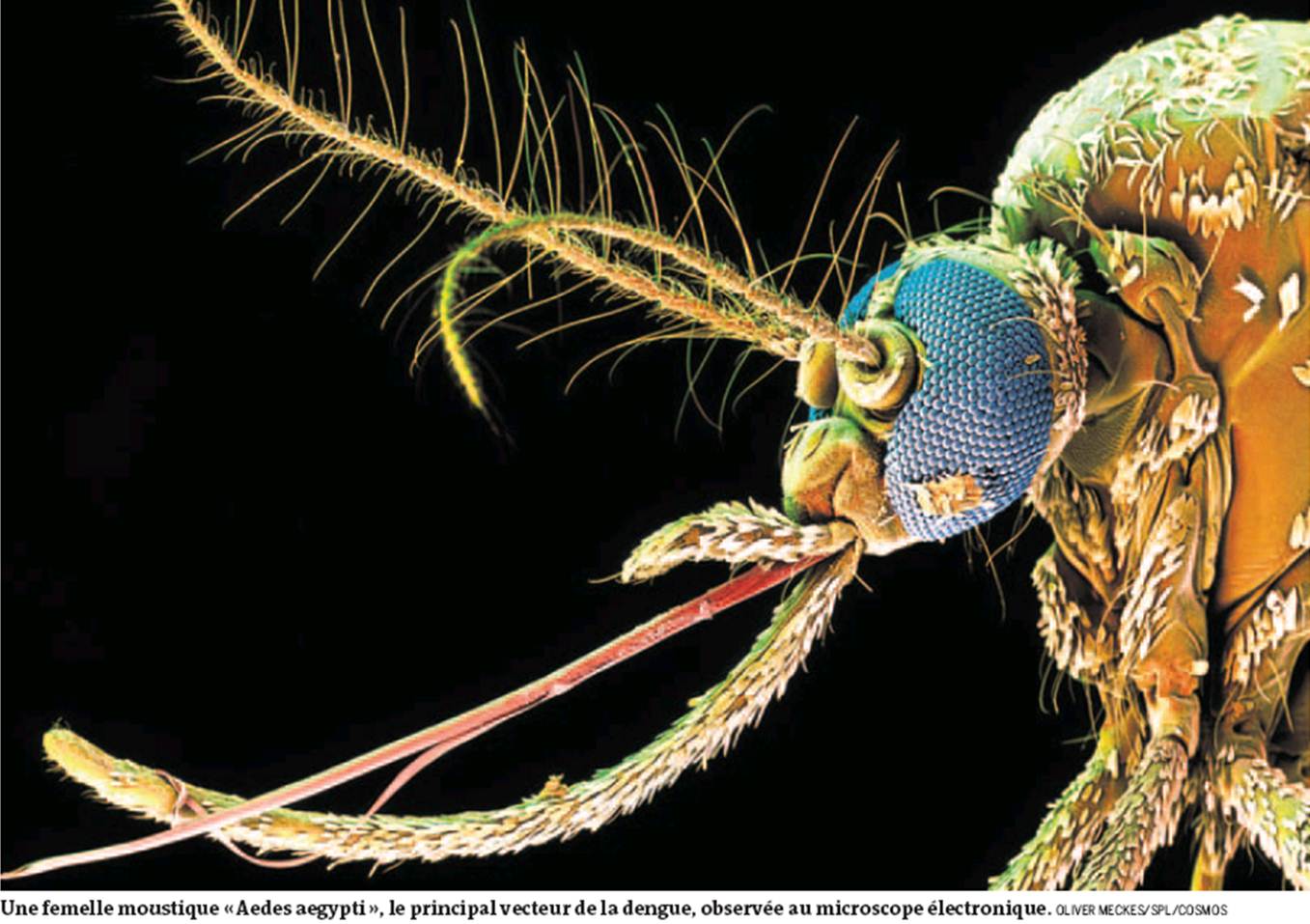
Brazil will produce 4M transgenic Aedes aegypti mosquitoes per week in order to fight the dengue fever.

“Dengue Fever is a virus spread by the bite of an infected mosquito. There is neither medication nor a vaccine to prevent Dengue Fever so effective measures to control the dengue mosquito Aedes aegypti are urgently required since the disease is becoming geographically more wide-spread, more prevalent and more virulent. The incidence of dengue has increased 30 fold in the last 50 years and, according to WHO, 2.5 billion people are now at risk. The severe form of dengue, known as Dengue Haemorrhagic Fever, was first recognized in the 1950s but has become has become a leading cause of hospitalization and death among children in Asian and Latin American countries.”

More information.

Image from: Le Monde Wednesday July 18, 2012 (p.6 section Planète).


Infrastructure100 Global Projects Report

“Presenting the Infrastructure 100 – report on the most exciting infrastructure projects from around the world, as selected by independent judging panels due to their scale, complexity, innovation and impact on society.”

“KPMG’s Global Infrastructure practice, in conjunction with Infrastructure Journal, is pleased to present the Infrastructure 100 – a showcase of the most interesting infrastructure projects from around the world.

Of those 100 projects – all shortlisted for their scale, complexity, innovation and impact on society – 10 have been highlighted by the independent judging panels as notable projects in different infrastructure sectors.”

Download the report.

Image from the Infrastructure100 Global Projects Report.

Center for Global Geography Education – A Collaborative Learning Resource for Undergraduate Studies in Geography

If you are a geography undergraduate student or an instructor teaching undergraduate courses in geography and related social and environmental sciences, you might find Association of American Geographers’ Center for Global Geography Education (CGGE) useful. There are a collection of six modules online: Global Climate ChangeGlobal EconomyNational Identity, Population and Natural Resources, Migration, and Water Resources.

Each module consists of a conceptual framework, regional case studies, and collaborative projects. The conceptual framework introduces students to the relevant concepts, theories, and analytical approaches in geography; case studies illustrate how geographic concepts, methods, and technologies can be used to investigate and solve problems in different regions; collaborative projects connect classes worldwide for online learning and discussions. Researchers (Baiio & Ray, 2011) found that the CGGE project had gained students “content knowledge” and “the enthusiasm for international cooperation”.

Baiio, W., & Ray, W. C. (2011). The challenges and rewards of an international undergraduate student learning interaction in geography. International Research in Geographical and Environmental Education, 20(4), 287-296. doi:10.1080/10382046.2011.619806

Image from AAG center for global geography education, retrieved July 9, 2012.

A war hero in our midst: The story of George Irvine Baillie

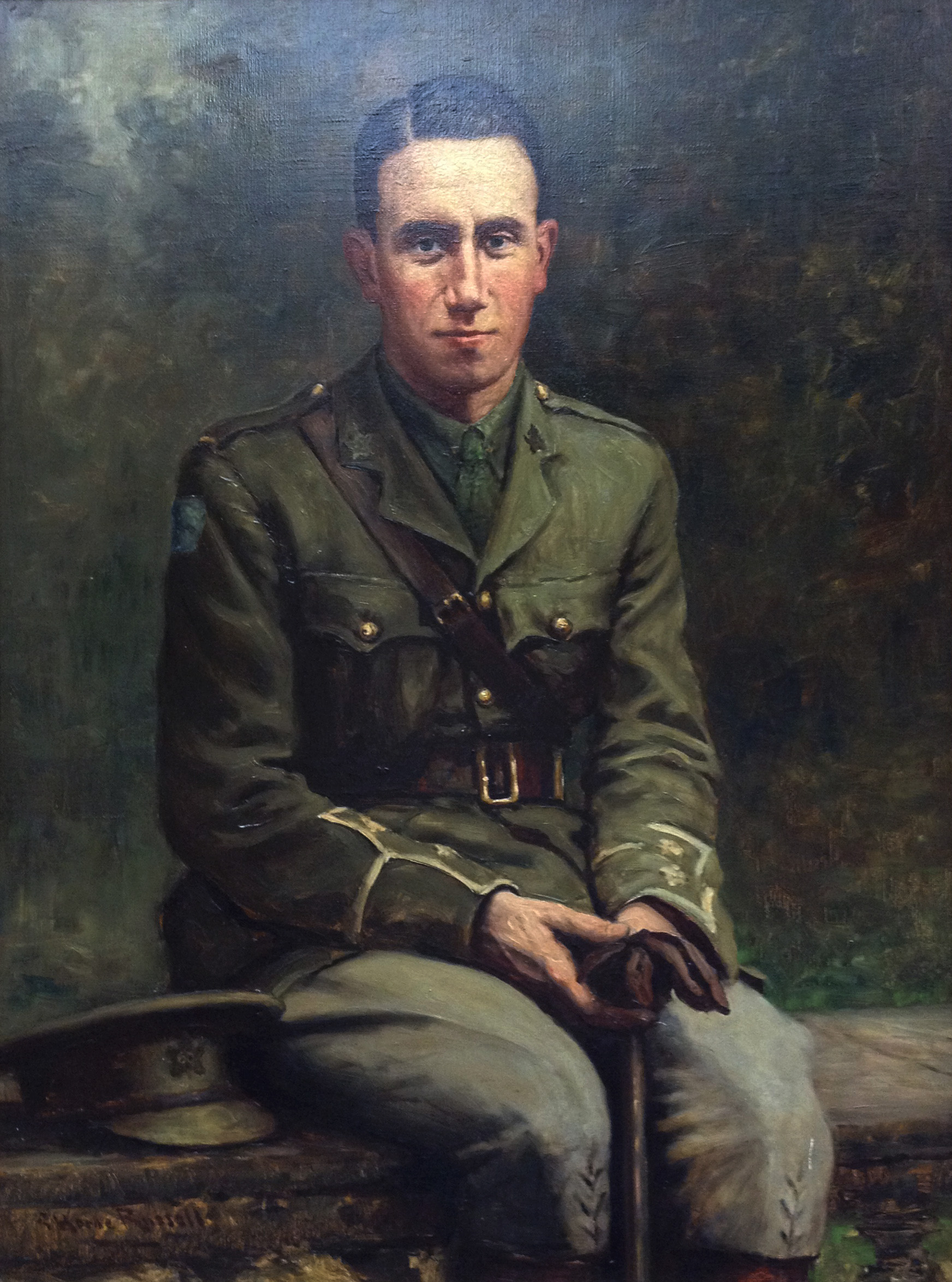
Have you ever noticed any of the 7 portraits hanging on the inside walls of the Schulich Library?  Each portrait has captured a moment in that person’s life and invites us to find out the story behind the face.

The portrait of the young soldier on the library’s 4th floor recounts the story of George Irvine Baillie, a chemical engineering student from McGill University who enlisted in the First World War.  George started his studies at McGill in 1912 and served one year in McGill’s Officer Training Corps before applying to be a member of the Canadian Overseas Expeditionary Force in June 1915 at the age of 21.  A copy of his military attestation papers can still be viewed on the Library and Archives Canada website.  He was appointed Lieutenant of the 60th Battalion and died on August 8th, 1918, on the first day of the Battle of Amiens.

His father, John Baillie, who was managing director of the Dominion Oil Cloth Company (the first Canadian company to make oil cloths and linoleums), made a financial endowment to McGill University to open the Baillie Library of Chemistry in memory of his son.  At the library’s opening ceremony on Tuesday, December 11th, 1923, Professor Ruttan, who was the Director of McGill’s Department of Chemistry at the time, said that “the Baillie Library will stand as a constant reminder to future generations of Mr. John Baillie’s deep interest in the University, and of the heroism of his son, who gave his life in the great fight for humanity” (The Montreal Gazette, Dec. 12, 1923).

The library continues to receive support, to this day, from the “Lieutenant George Irvine Baillie Chemistry Collections Fund.”  A list of books purchased with this fund in recent years can be found at https://mcgill.worldcat.org/profiles/mcgill.library/lists/3573117

The Baillie Library of Chemistry is now part of the Schulich Library of Physical Sciences, Life Sciences, & Engineering and George Baillie’s portrait serves to remind us of the courage of all those from the McGill community who valiantly fought in the first and second world wars.

 Photo of Baillie’s portrait in the Schulich Library

Social networking for everyone

Genevieve Bell is an Intel researcher who “found that women are the heaviest users of today’s most widespread and vital technologies: the Internet, mobile phones (voice and text), Skype, e-readers, other e-devices, GPS, and all social networking sites except LinkedIn” (Slate Magazine, 6/19/2012, Waldman).  However, I think that this news should not discourage men from using any type of current technology when needed.

There are social networking sites for both sexes in the physical sciences and engineering.  One example is ResearchGate.

I think of ResearchGate as a sort of Facebook account for professionals.  It allows you to connect with people that have similar research interests.  When you register for an account, you will be prompted to put in educational and professional information about yourself.  You can enter in as little or as much information as you like.  Based on the information you enter in your profile, ResearchGate will suggest conferences, papers, researchers, and jobs, etc. that you might be interested in.

Don’t hesitate to give it a try!  You may find pleasant surprises in the suggestions that ResearchGate brings to your attention.

Image from Microsoft Office Clipart

Sequoia – The Fastest Supercomputer

The IBM team behind the world’s fastest computer.

IBM Sequoia, is now the fastest computer in the world. The computers were ranked by a test, the Linpack Benchmark, which gives each computer a petaflop/s score (quadrillion floating-point operations per second). Sequoia tested at 16.32 petaflop/s, compared to the previous top one – Japan’s K Computer’s 10.51 petaflop/s, which made K fall to the second place. Wonder how fast it works? IBM said, “Sequoia is capable of calculating in one hour what otherwise would have taken 6.7 billion people using hand calculators 320 years to complete if they had worked non-stop.” Also, Sequoia consumes less energy than the K computer, 7.9 megawatts compared to 12.6 megawatts. Professor Dongarra told the BBC “it was unlikely that another manufacturer would overtake IBM in the next year”.

Adapted from http://www.bbc.com/news/technology-18457716


Putting Scientific Information to Work in 1972

I love this cartoon about the exchange of information between scientists, from word of mouth and written letters, to the first scientific journals and, some time later, information overload. Forty years after this was created we are still plagued with a growing number of science and technology journals and are challenged with making full use of the literature.

One of the strategies in the 1960s from the mind of Eugene Garfield and the Institute for Scientific Information (ISI) was to cover a selective but important portion of the world’s journals.

Continue reading

Technology review – Google glasses

If you too dream of Google glasses – check out the latest issue of Technology review, published by MIT, and the “You Will Want Google Goggles” article. Farhad Manjoo interviews Thad Starner about Google’s Project Glass:

“One of the key points here,” Starner says, “is that we’re trying to make mobile systems that help the user pay more attention to the real world as opposed to retreating from it.”

Image from: Google mobile