Calling all citizen scientists

GalaxyZoo

There is room for everyone in science and researchers are harnessing the enthusiasm of everyday people (not to mention their free time) to work on projects.

Galaxy Zoo is perhaps the most famous example of citizen science, with over 200,000 volunteers classifying galaxy images taken from a robotic telescope. Citizens have always played an important role in astronomy but now anyone can contribute without buying expensive equipment. We humans are needed to describe the images but the task is too large for a researcher or group of researchers to take on. Thus far over 150 million galaxies have been classified by volunteer astronomers (zooites) and a few have gone on to make really neat discoveries.

A more local example is Phylo, a citizen science project from McGill. A lot of these projects are actually games that people can play (yes, science can be fun!) and this one uses your pattern recognition skills to solve DNA puzzles in order to learn more about gene mutations and genetic disorders.

I urge you to find a citizen science project that interests you. Take a look at this list from Scientific American. There are a lot of weather or nature watching options (Snowtweets, RinkWatch, ZomBee Watch, SubseaObservers). There is even an Open Dinosaur Project.

Happy exploring!

GeoGratis for maps and geospatial data

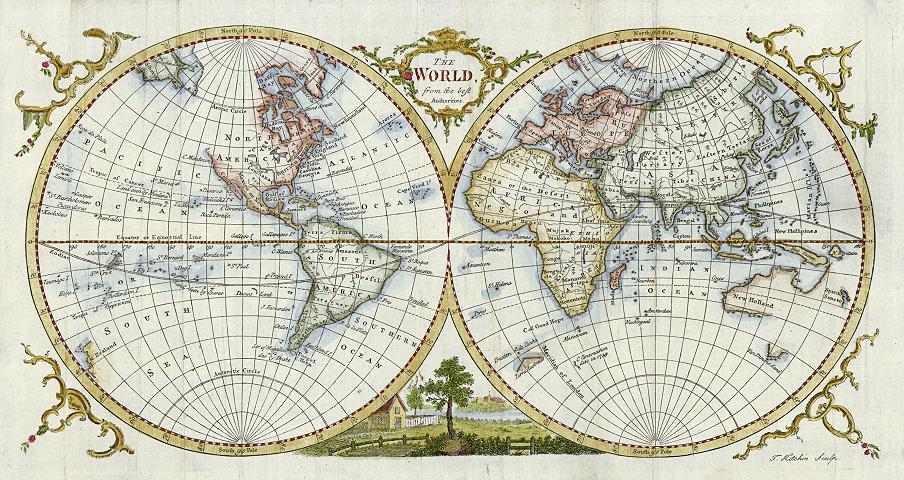
Digital_map_of_the_world_in_hemispheres_by_thomas_kitchin_(1777)The new GeoGratis website is up and running and it looks fantastic. Are you asking yourself, what is GeoGratis? From their FAQ section: “The new GeoGratis is a portal provided by the Earth Science Sector (ESS) of Natural Resources Canada (NRCan). It combines the former GeoPub, Mirage and GeoGratis into a one-stop gateway to search, discover and access 1000’s of maps, map data, imagery and documents.” Sounds good, right? With a clean and functional search interface, search by geographic location, keyword or product type. Who are GeoGratis’s users? Again, from the FAQs: “The data will be useful whether you are a novice who needs a geographic map for a presentation, an expert who wants to overlay a vector layer of digital data on a classified multiband image, with a digital elevation model as a backdrop, or a student who needs the latest document about the geology of a specific region.”

If the data you are looking for cannot be found in GeoGratis, remember to visit the Maps & geospatial data section of the Library website for a comprehensive list of free and proprietary map and data products. As a McGill student, faculty member, or researcher, you can request licensed data using the online geospatial data request form. If you have questions about Geographic Information Systems and Remote Sensing or GIS software, visit McGill’s Geographic Information Centre (GIC).

Image from Wikimedia Commons

Stargazing in the winter

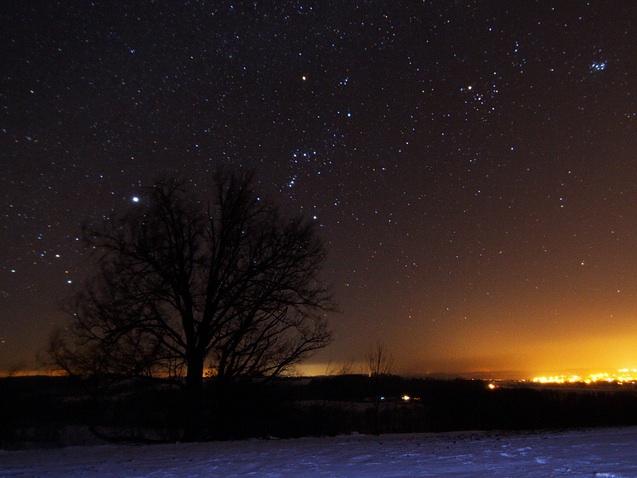
NightSkyI’m fortunate enough to be part of a friendly walking group.  We take evening walks in the winter to look at the stars.  We usually take our walks in one of Montreal’s beautiful nature parks, such as Parc-Nature de l’Île-de-la-Visitation, which is located on the north side of the island.  We are able to enjoy the night sky, while being surrounded by trees, water, and white snow all around.  The scene is spectacular.  The next time you are out on a winter night, look up and see if you can recognize Orion, The Hunter.

The BBC has some brief video clips on how to identify some interesting features of the winter night sky.  For more details, take a look at Patrick Moore’s book, The sky at night.

Image of Orion from H. Raab

Technology à la mode

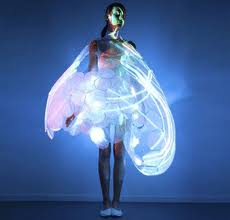
techfashionWho doesn’t like their fashion with a bit of high-tech functionality? From the lab to the runways of some of the most glamorous fashion shows, wearable electronics and other futuristic fabrications are catching people’s attention. I can’t decide which I like the best from this CBC image gallery of high-tech fashions: the solar paneled bikini or the cat ears that move around in reaction to my brainwaves.

Image from www.designerbase.co

eduroam – worldwide roaming access service

The reading break is around the corner. If you plan to visit other educational institutions during that week, you might be able to access their wireless network using your McGill Username and Password. This privilege comes from “eduroam”, a roaming wireless authentication service worldwide. McGill University is a member of eduroam, which enables its students, faculty and staff to access the wireless network at other eduroam participating institutions using the same credentials they use at McGill University. The detail of configuring this service is here. If you need to use McGill Library’s electronic resources when you are there, you will also need VPN or EZproxy after logging onto the network. Below is a short video about eduroam.

Big day in space rocks last Friday!

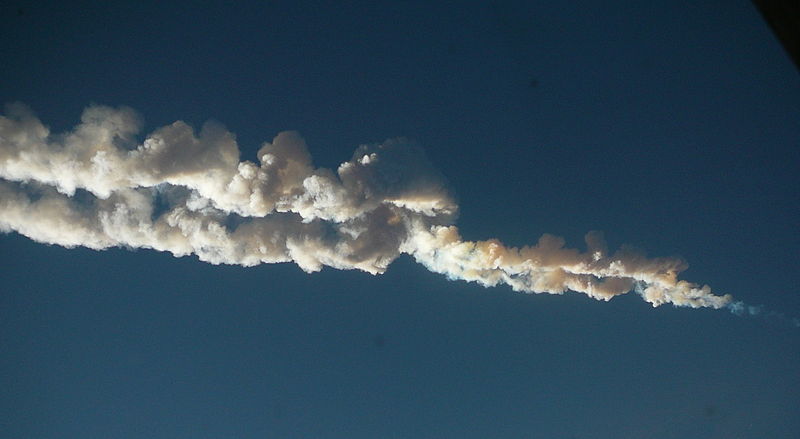
Chelyabinsk meteor trace

Trace from the meteor that broke up over Chelyabinsk, Feb. 15, 2013

Chicken Little might have been vindicated, had he been feeling the sky fall last week in Russia! Last Friday, February 15, I was going to blog about asteroid 2012 DA14, that was whizzing by Earth at 1/13 the distance to the moon, but I awoke to find that a spectacular meteor event had stolen the astro-object thunder by breaking up over central Russia – at about 15 meters on entry, arguably the largest recorded meteor since 1908. This Chelyabinsk meteorite event ended up with over 1000 people injured. NASA assures us that the two objects are unrelated, but, holy space rock, Batman, coincidental!

Post meteor, Simon Rogers has a map of every known meteorite fall on Earth over at the Guardian Datablog. After that, you may feel reassured by viewing this list of the measured impact risk of known near-Earth objects maintained by NASA-JPL’s Near-Earth Object Program. But don’t get too comfortable, yesterday at Scientific American Blogs, John Matson asks, “Could Another Chelyabinsk-Scale Meteor Sneak Up on Us?” and finds, “With limited resources, asteroid spotters have naturally focused on the largest asteroids that could cause the most mayhem. But the smaller, more frequent arrivals to our planet are likely to remain unpredictable for the foreseeable future.”

Image: Witness photo by Nikita Plekhanov from Wikimedia Commons


Mini-Science 2013: Science, Sex, and Gender

minisciencelogo-300pxI’m always impressed by the the events and lectures sponsored by the Faculty of Science at McGill. Registration just opened for the five-week public lecture series, Mini-Science 2013. Some of the university’s top professors will deliver these talks, all of them, in some way, relating to the theme: science, sex, and gender. These lectures (no science background necessary!) will take place every Thursday evening starting on March 14 and wrapping up on April 11, for a total of five lectures all together. Register soon before it sells out!

Image from Faculty of Science website