Law in Everyday Life: The Invisible Roommate Who Never Does the Dishes

Most people think of “the law” as something that lives far away, preferably behind thick courtroom doors, guarded by people in robes who speak Latin for fun. In reality, law lives much closer to home. In fact, it lives with us—quietly judging our behavior, setting rules, and occasionally ruining our plans. Law is the invisible roommate of everyday life: always there, always watching, and very clear about what you are absolutely not allowed to do.

You encounter law before you even leave the house. Your alarm goes off at a socially acceptable time because employment law has decided that “whenever I feel like it” is not a valid work schedule. You make coffee, trusting that the machine won’t explode, thanks to product safety regulations written by people who clearly once had a very bad morning. You step outside and lock your door, comforted by property law, which gently whispers, “What’s yours is yours… unless you forget to pay your mortgage.”

The commute is where law really stretches its legs. Traffic rules transform ordinary adults into surprisingly obedient citizens who will sit patiently at a red light at 6 a.m., despite the complete absence of cross traffic, because the law said so. Speed limits, pedestrian crossings, parking signs—this is law’s way of reminding us that chaos is only three ignored rules away. Even jaywalking is less about crossing the street and more about negotiating your personal relationship with risk, authority, and nearby police officers.

At work, law continues its quiet supervision. Employment standards decide how long you can work, how little you can be paid (within reason), and how many breaks you are entitled to before becoming legally cranky. Privacy laws lurk behind every email marked “confidential,” while copyright law waits patiently to scold you for pasting “just one little image” into a presentation. Office kitchens, meanwhile, are governed by an unwritten but fiercely enforced body of law concerning stolen lunches and unwashed mugs—proof that not all law needs legislation to inspire fear.

Even leisure time isn’t free from legal influence. Streaming services remind you that sharing your password is “technically prohibited,” a phrase that means “illegal, but emotionally complicated.” Restaurants post allergy warnings and calorie counts because the law insists you deserve to know exactly how dangerous that dessert might be. And social media, that wild frontier of human expression, is quietly shaped by defamation law, harassment rules, and the sobering realization that screenshots last forever.

Perhaps the most impressive thing about law in everyday life is how rarely we notice it. It works best when it’s boring—when contracts are honored, sidewalks exist, food is labeled, and most people stop at stop signs. Law isn’t just about dramatic trials or landmark decisions; it’s about making daily life predictable enough that we can argue about important things, like who finished the milk.

So while law may not wear a cape, it does heroic work behind the scenes. It keeps society from descending into polite anarchy and ensures that, most of the time, we all play by roughly the same rules. Annoying? Sometimes. Necessary? Absolutely. Like that invisible roommate, law may never do the dishes—but without it, the place would be unlivable.

Come visit the new Spring 2026 exhibit at the Nahum Gelber Law Library 24 Hours of Law: How law shapes our day, curated by Sonia Smith and Megan Millward. And once you start noticing law in everyday life, you may never see a stop sign, coffee label, or “terms and conditions” box quite the same way again.
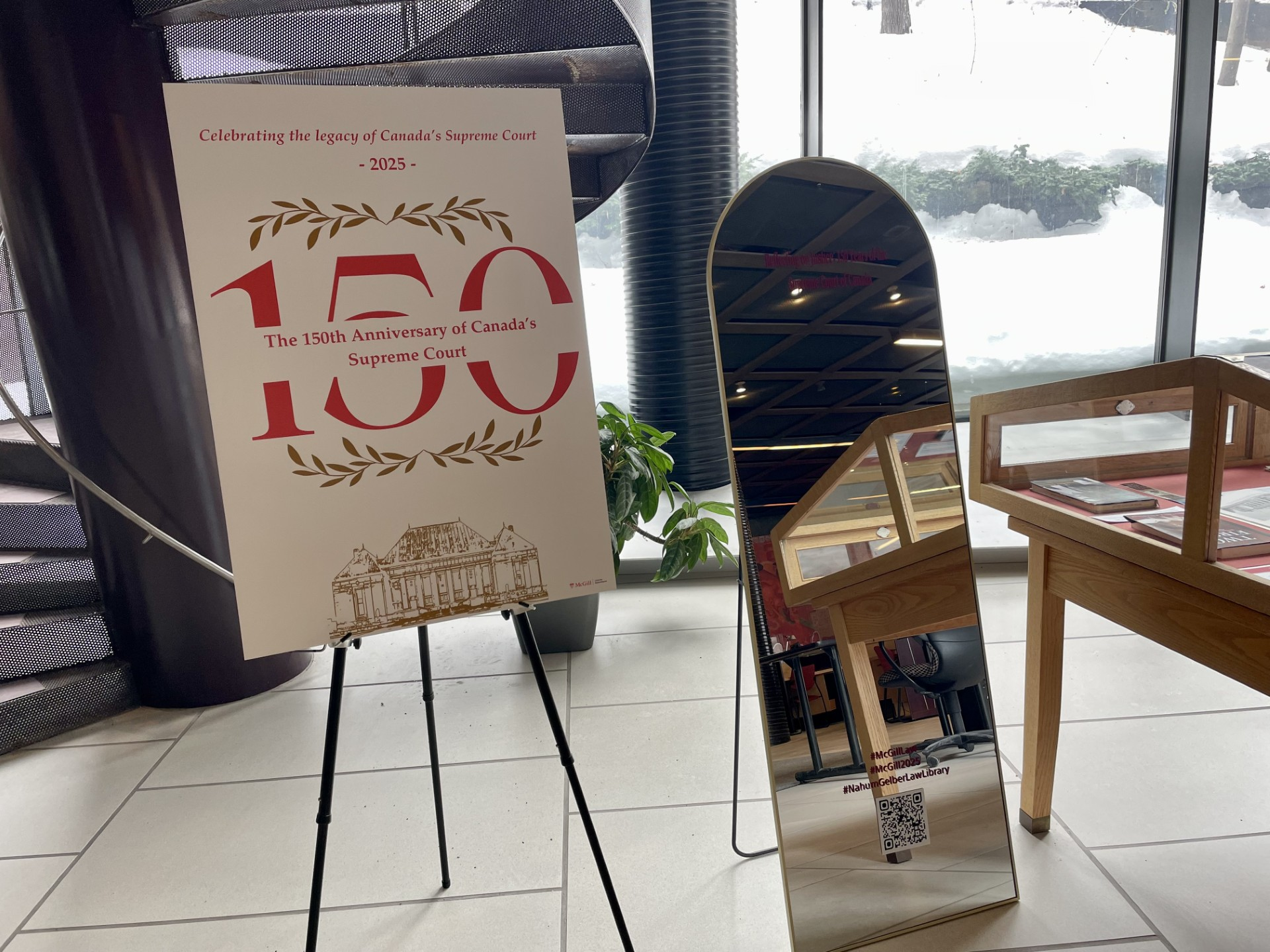
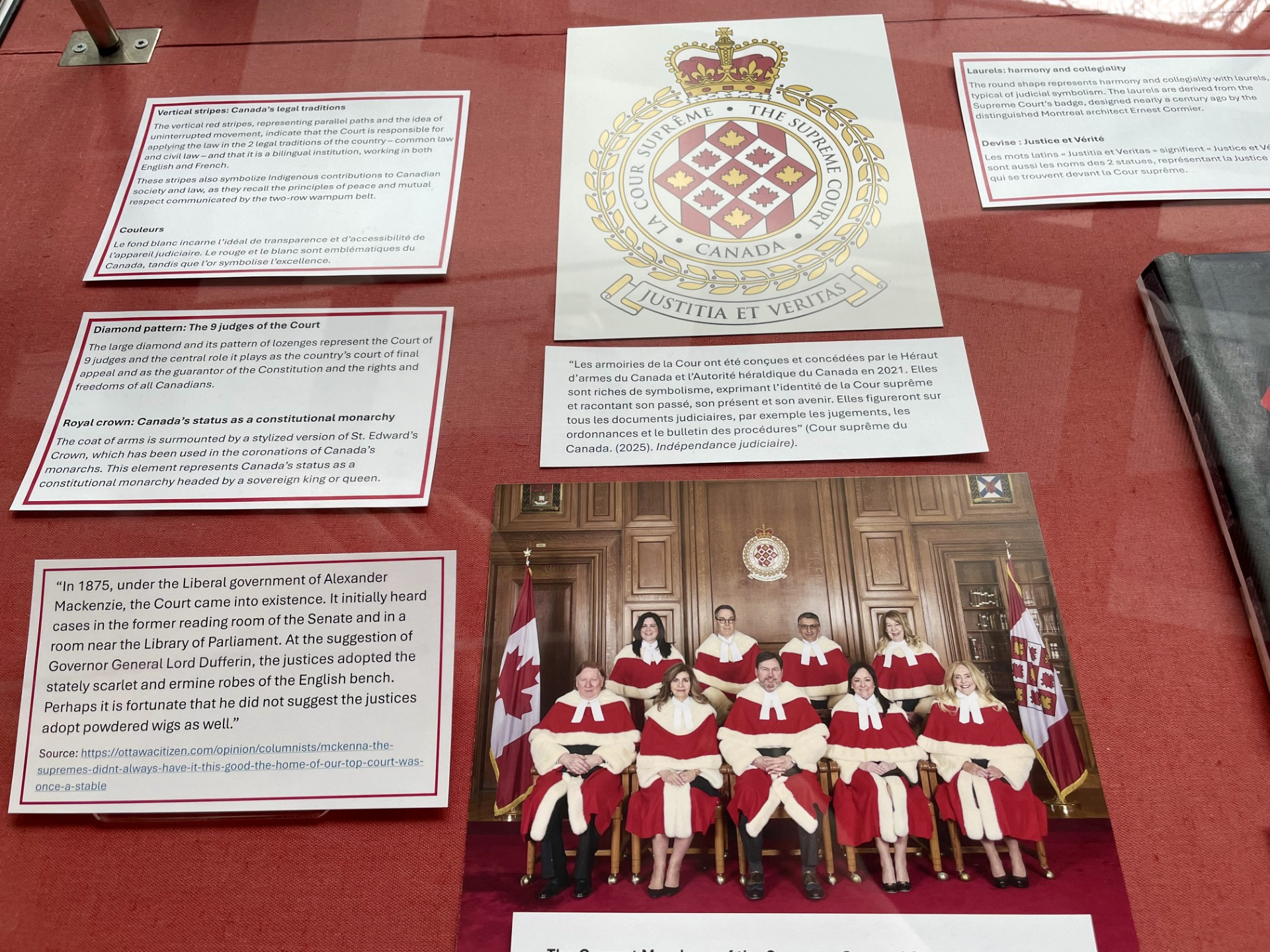
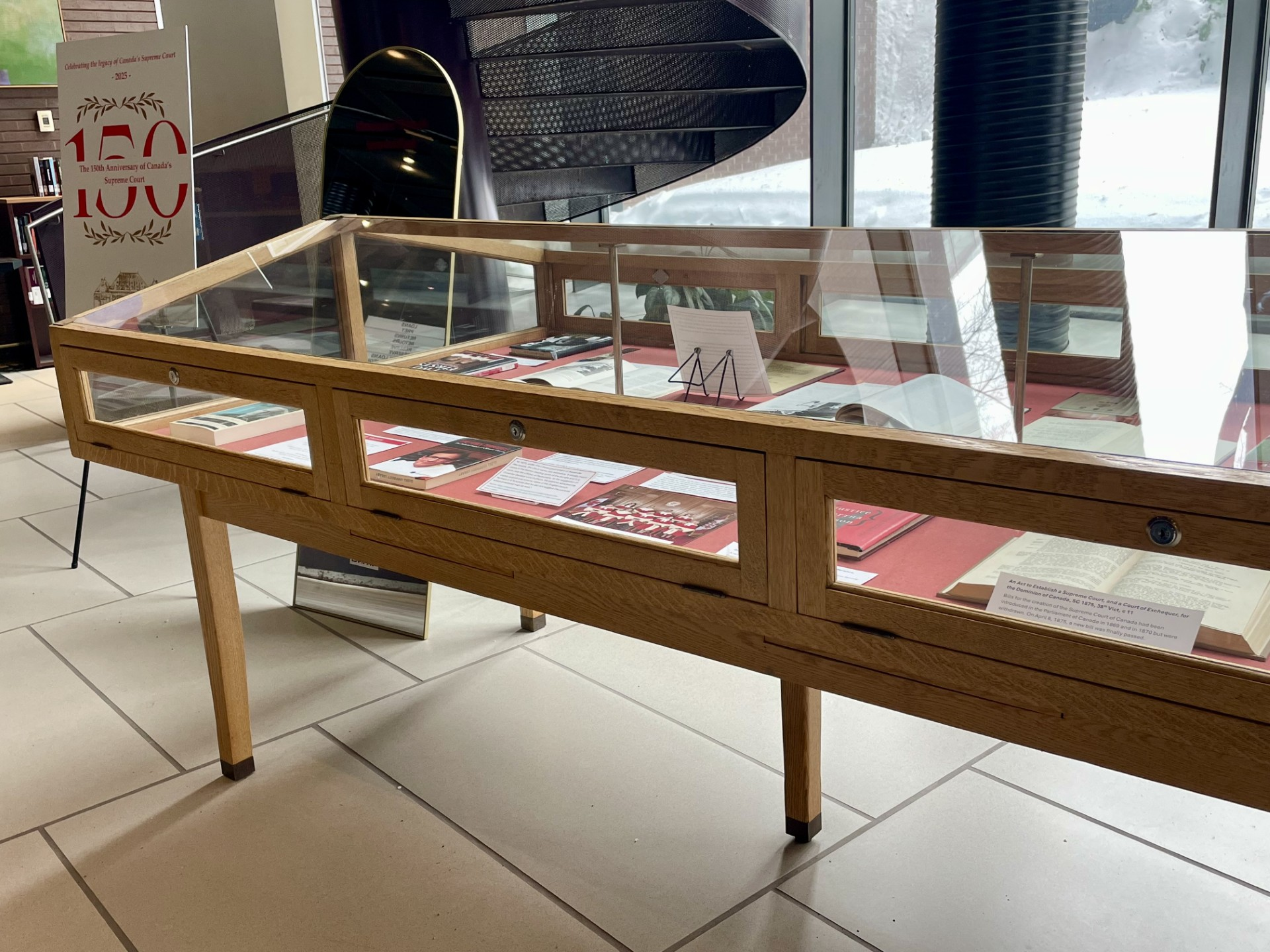
Celebrating the Legacy of Canada’s Supreme Court

The year 2025 marks a special milestone for the Supreme Court of Canada as it celebrates its 150th anniversary. Over the years, its chambers have been the setting for landmark cases that have shaped the foundation of this country. Some decisions have reinforced fundamental principles of justice, while others serve as reminders of how far we’ve come. These cases provide an opportunity to reflect on our history and appreciate its ongoing evolution.
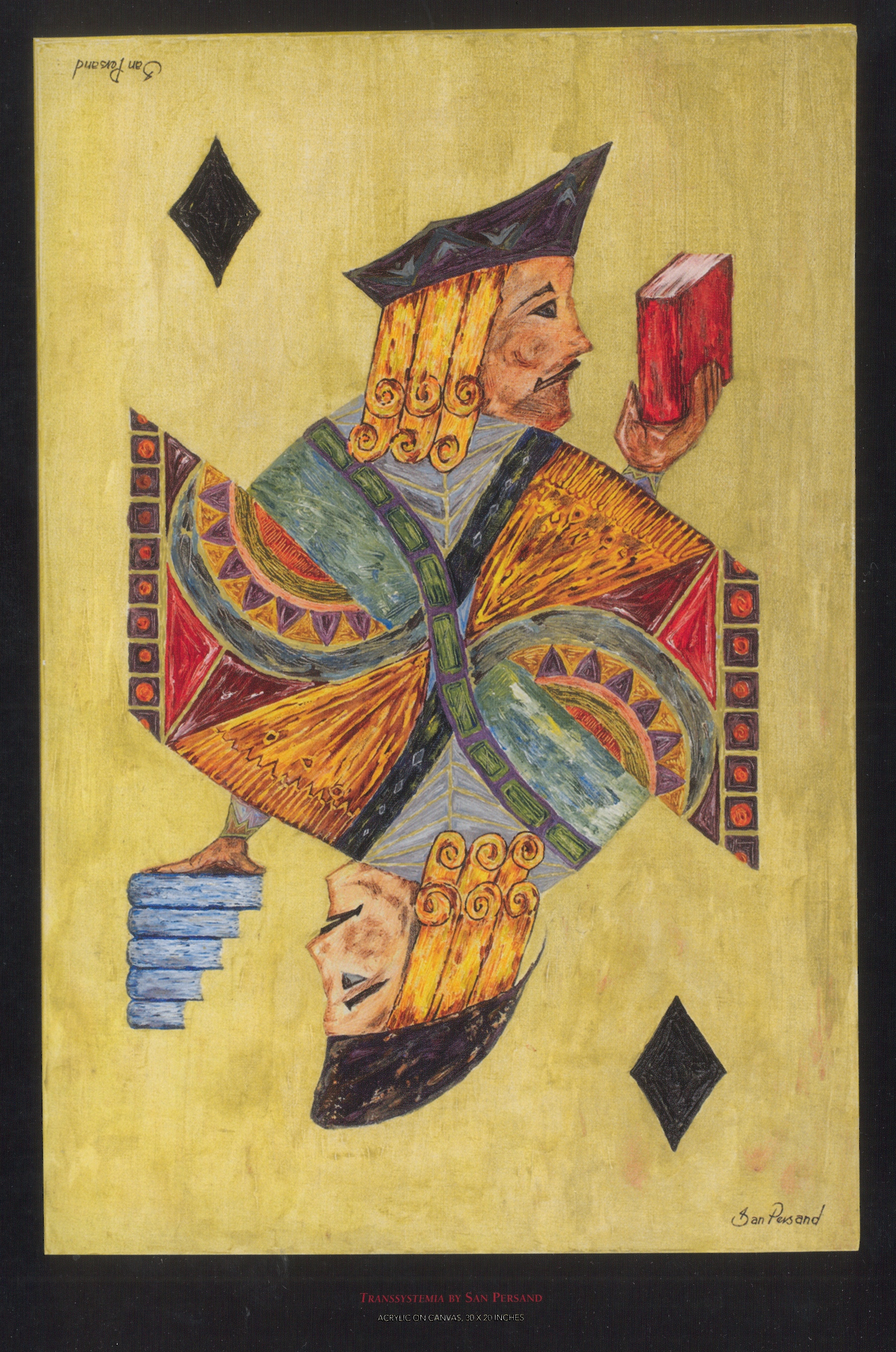
At the heart of these rulings are the Judges, many of whom once walked the same corridors as today’s law students at McGill University. Their decisions on equality, religious accommodation, Indigenous rights, gender and sexuality rights, and property rights have played a great role in shaping Canadian society.
To commemorate this legacy, the Nahum Gelber Law Library is hosting an exhibition that pays tribute to the Judges who have shaped the Court’s history, with a highlight of pivotal cases that illustrate its influence on Canadian law.

We invite you to explore this curated exhibition on the first floor of the Nahum Gelber Law Library. Take this opportunity to reflect on the path of justice and the Court’s lasting impact. For those interested in further engaging with its history, additional resources are available on the exhibition website (https://ngllexhibit.wixsite.com/150th-anniversary). Join us in celebrating 150 years of the Supreme Court of Canada!

Exhibition curated by Sonia Smith and Jessica Fernandes

Witchcraft in the Law: Exhibit

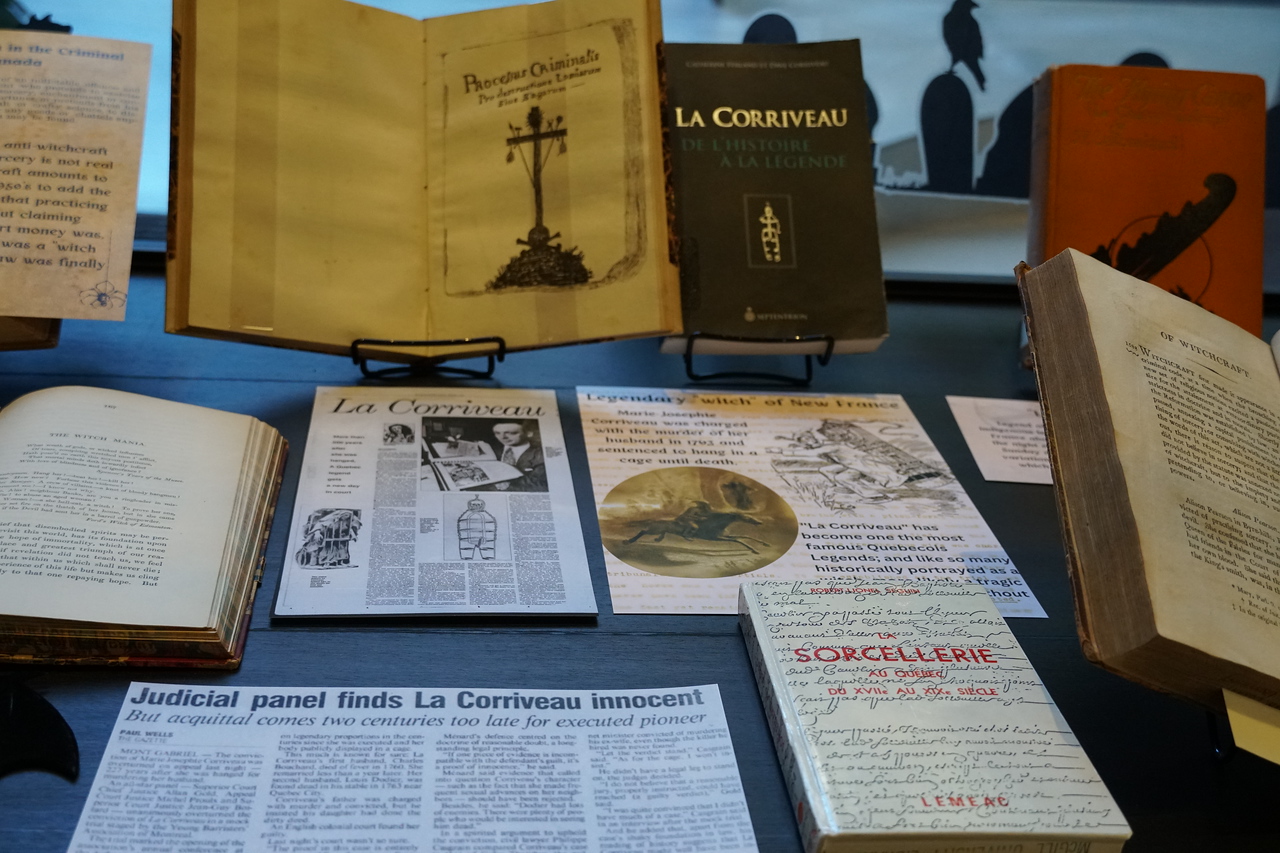
If you haven’t seen it yet, there is one month left to check out the current Gelber exhibit: Witchcraft in the Law. This exhibit, which has been in place since October 2022, highlights rare materials collected from the Rare Books collection here at the Gelber, along with materials from ROAAr and the Osler History of Medicine Library. 

(Lisa Barrett, Nahum Gelber Law Library, 2022)

This was a very fun exhibit to plan and we all learned a lot about the history of witchcraft in the law! Many of the materials displayed in this exhibit are first hand accounts and perceptions of witchcraft throughout history. There are books in this exhibit dating from the 15th to early 17th century, in which we see fearful rantings about the influence of the devil and witches and their evil ways, including descriptions of exorcisms, how to detect witchcraft and of course witch trials. As we move to the later publications you can see a change which happens in the late 17th century – suddenly the discourse is much more logical and centered on disproving these superstitions about the existence of magical powers in any corporeal sense. The timing of this transition of thinking is why we see fewer cases of witchcraft in Canada, the country was still so sparsely populated in the early 1600’s, and your neighbors were often your lifeline, so you’d be shooting yourself in the foot to accuse them of witchcraft. However, there are still a few cases, in fact mostly from New France. 

(Lisa Barrett, Nahum Gelber Law Library, 2022)

One such case from New France is the legend of Corriveau, which is one of Quebec’s most popular witch or ghost stories. Marie-Josephte Corriveau was convicted of murdering her husband in the mid 18th century. Original descriptions of the case contain incredibly verbose language, describing her as evil and wicked and theatrically claiming she took delight in the murder. Corriveau’s rather gruesome punishment was to “hang in chains until dead” after which her corpse was displayed publicly in a body shaped hanging cage called a gibbet. You can see this very cage at the Museum of Civilization in Quebec City. While the legend lives on, Corriveau’s conviction was overturned more than 200 years later in a mock trial by the Young Barristers Association of Montreal. 

(Lisa Barrett, Nahum Gelber Law Library, 2022)

Don’t miss this collection of first hand accounts and fascinating historical progress from superstition and fear to more modern logic based reasoning.

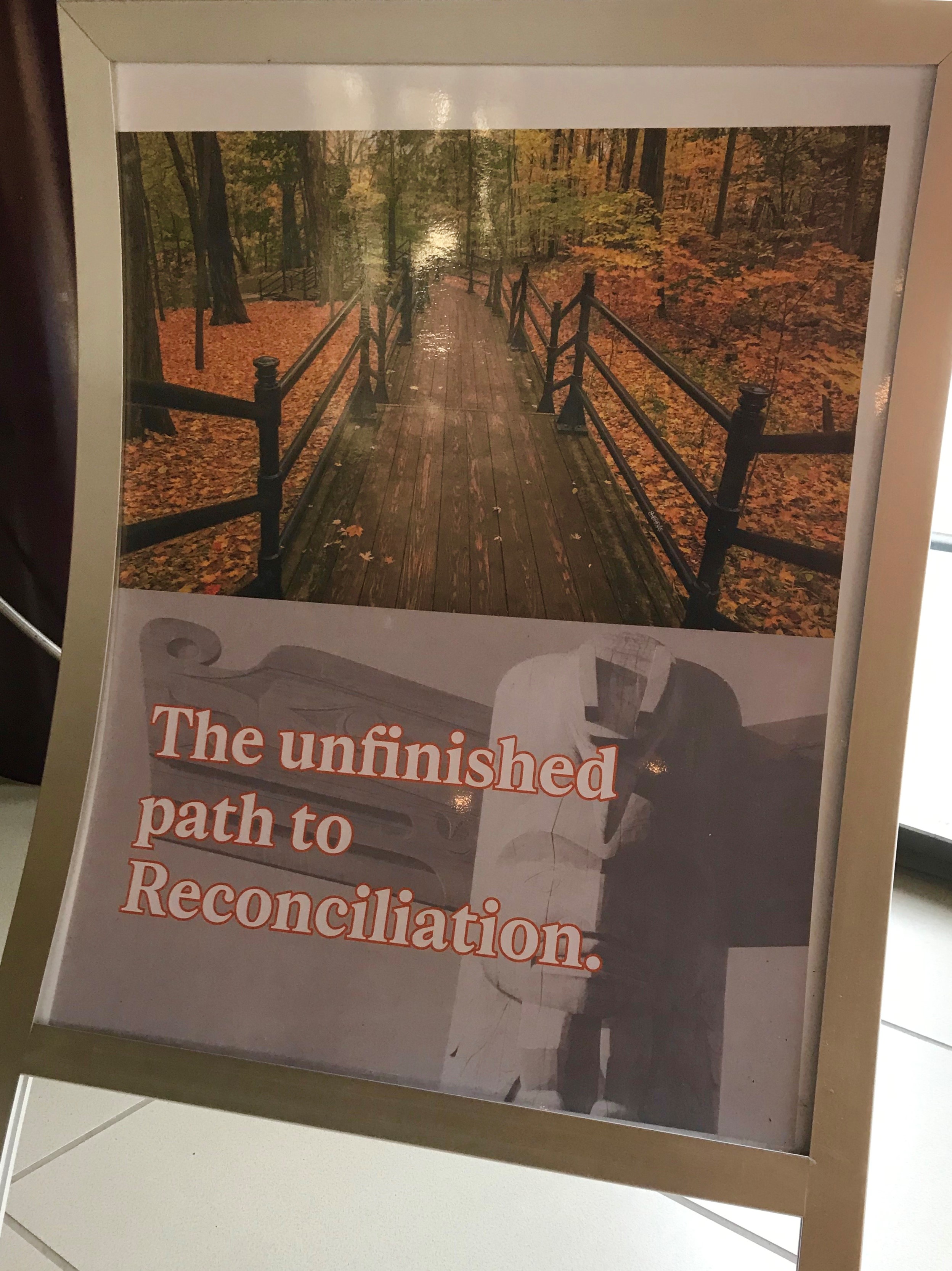
New Exhibition: The Unfinished Path to Reconciliation

“Reconciliation is not an Indigenous problem – it is a Canadian problem. It involves all of us,” said Justice Murray Sinclair, chair of the Truth and Reconciliation Commission of Canada, which was tasked with investigating and commemorating the residential school system.

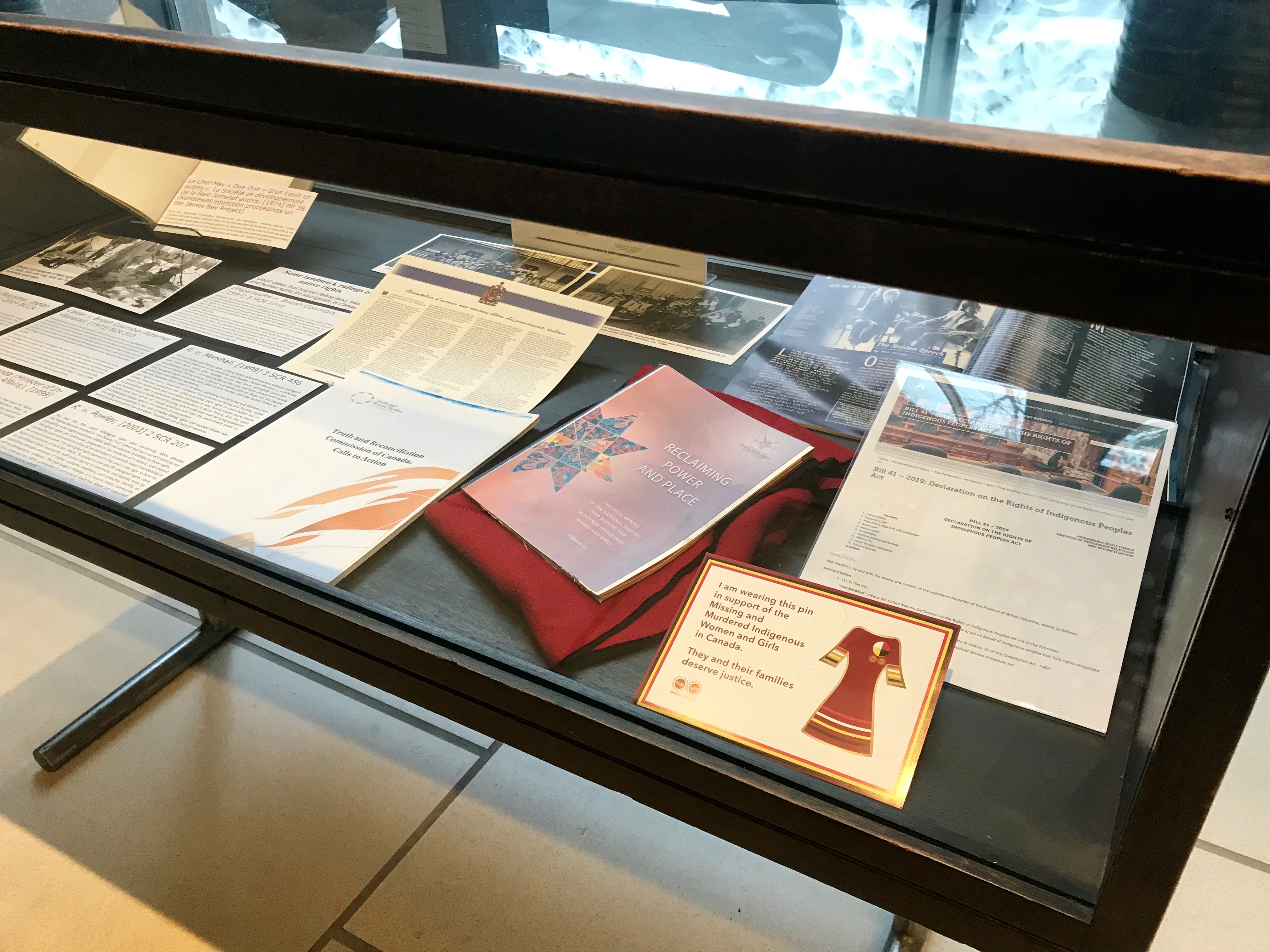
As Justice Sinclair and many others have said, education is key to reconciliation. As institutions that are both repositories for knowledge and natural gathering places, libraries can play an important role in reconciliation. With this goal, the Nahum Gelber Law Library offers to its visitors a new exhibition: The Unfinished Path to Reconciliation.


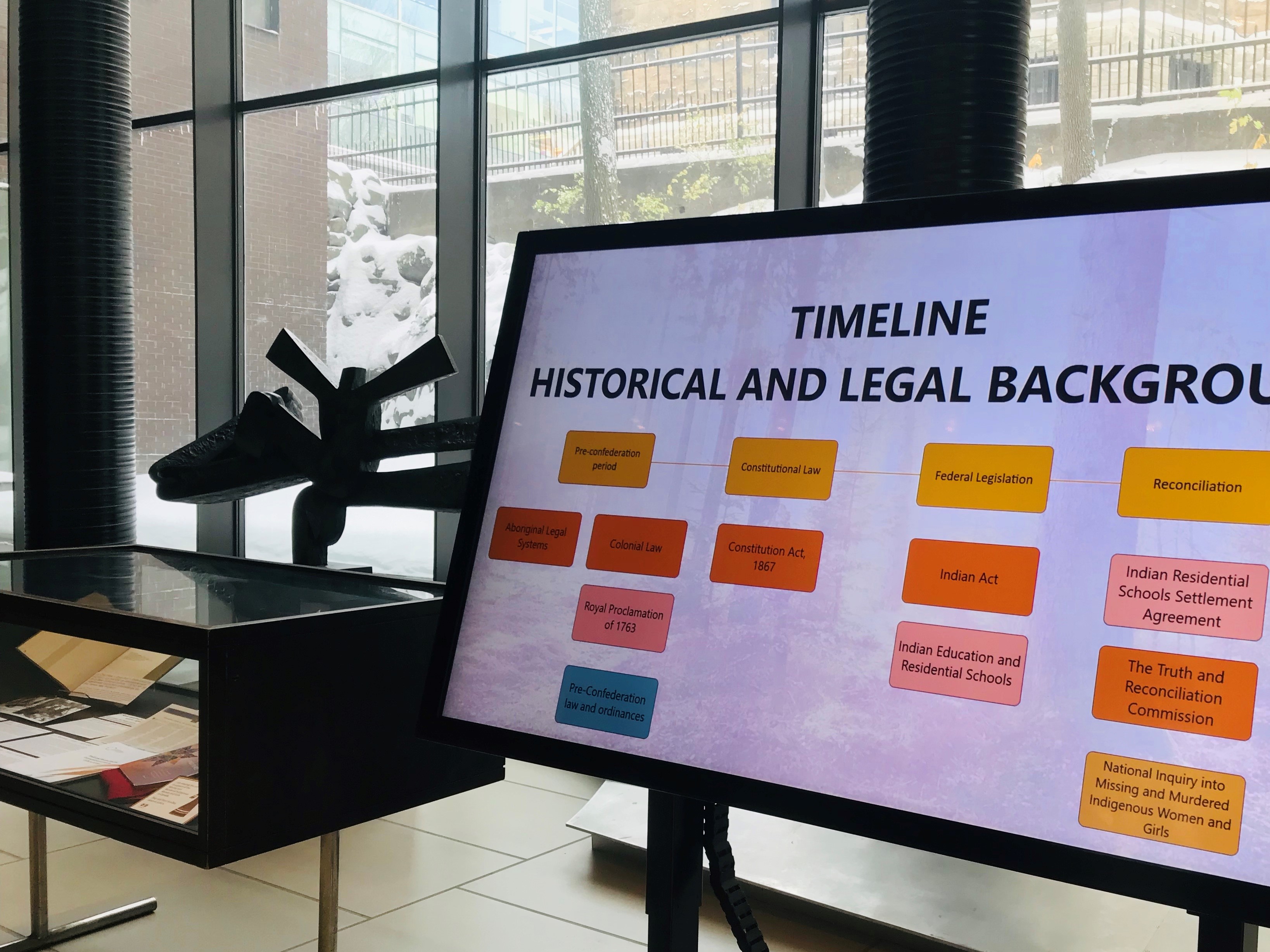
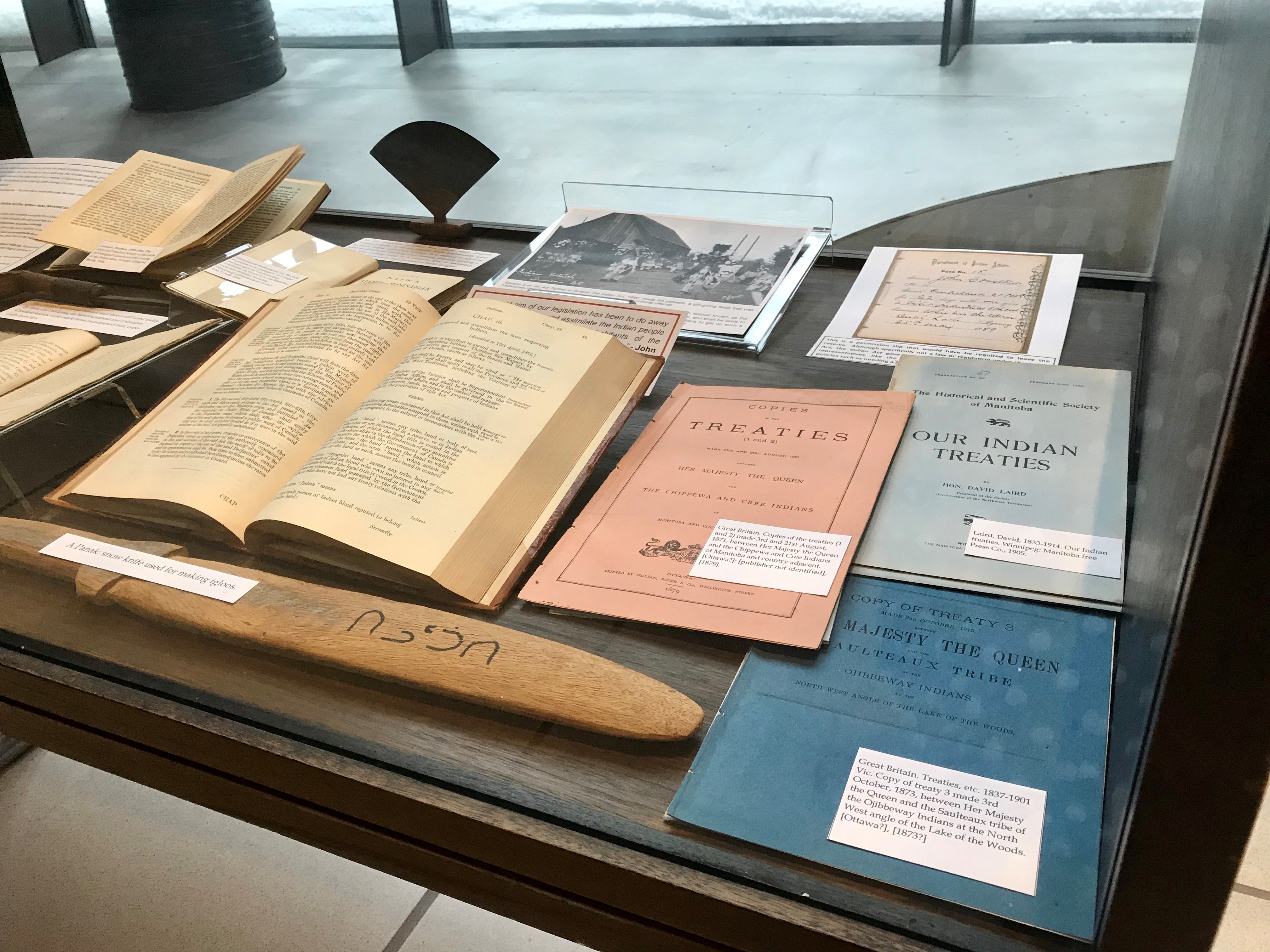
The blended-media exhibition features primary documents, books, reproductions of archival documents and memorabilia and highlight important cases on native’s rights. The exhibition includes digital materials presented on an interactive touch-table.

The use of touch-table for this Law Library exhibition is a part of the McGill Library Innovation in Service project. The exhibition was curated by Sonia Smith.

New Exhibition: Nahum Gelber Law Library: 20 Years

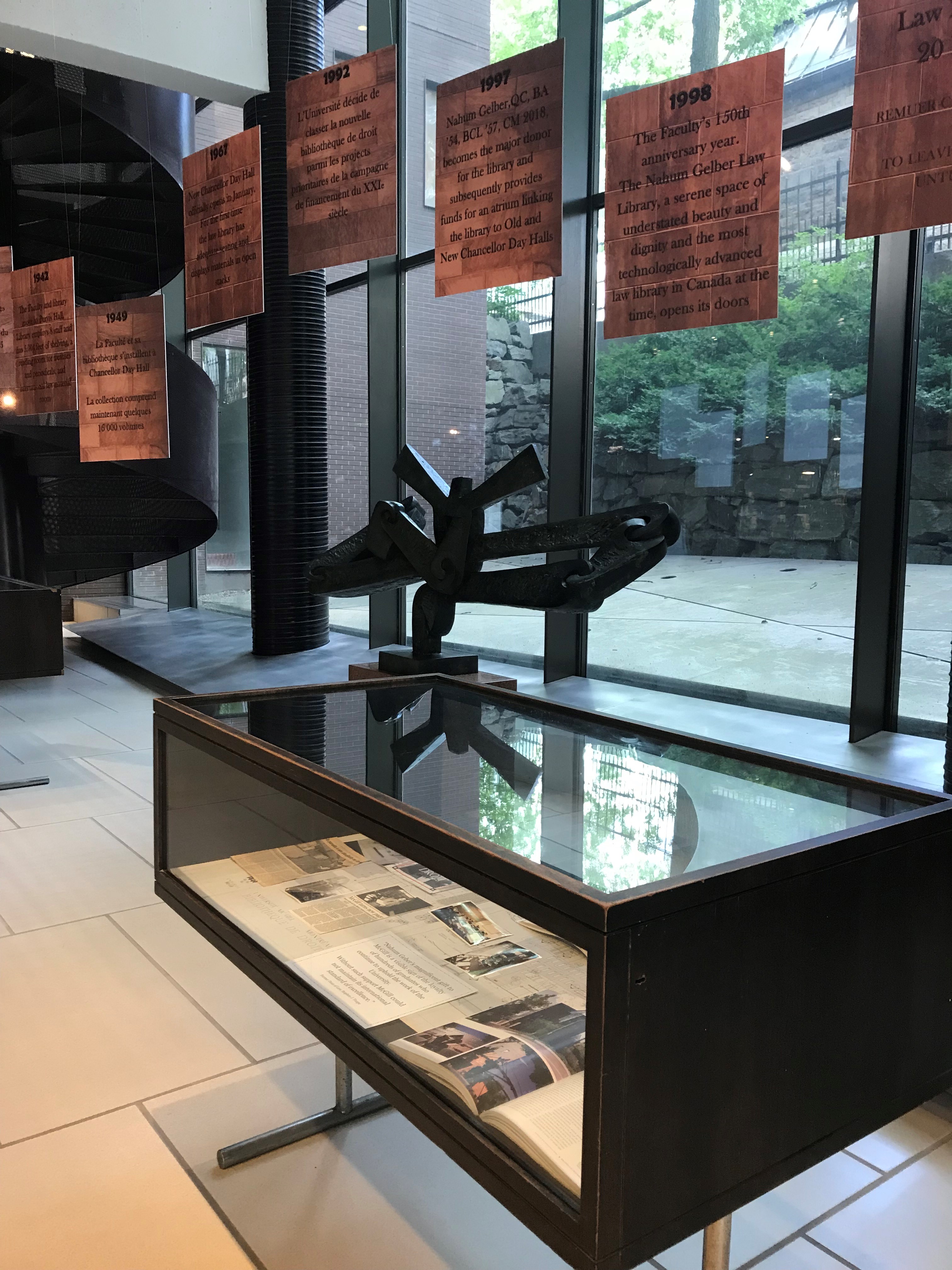
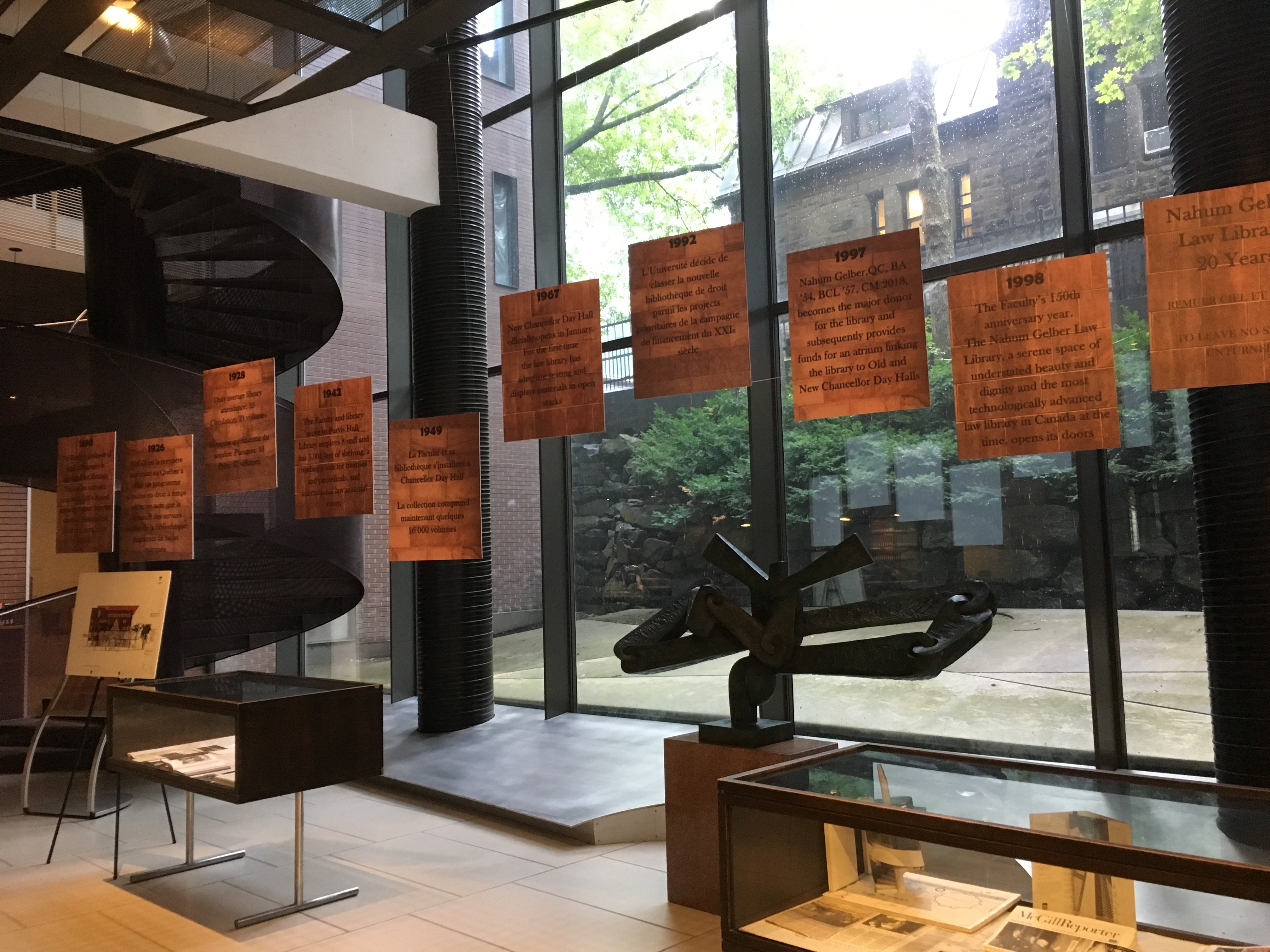
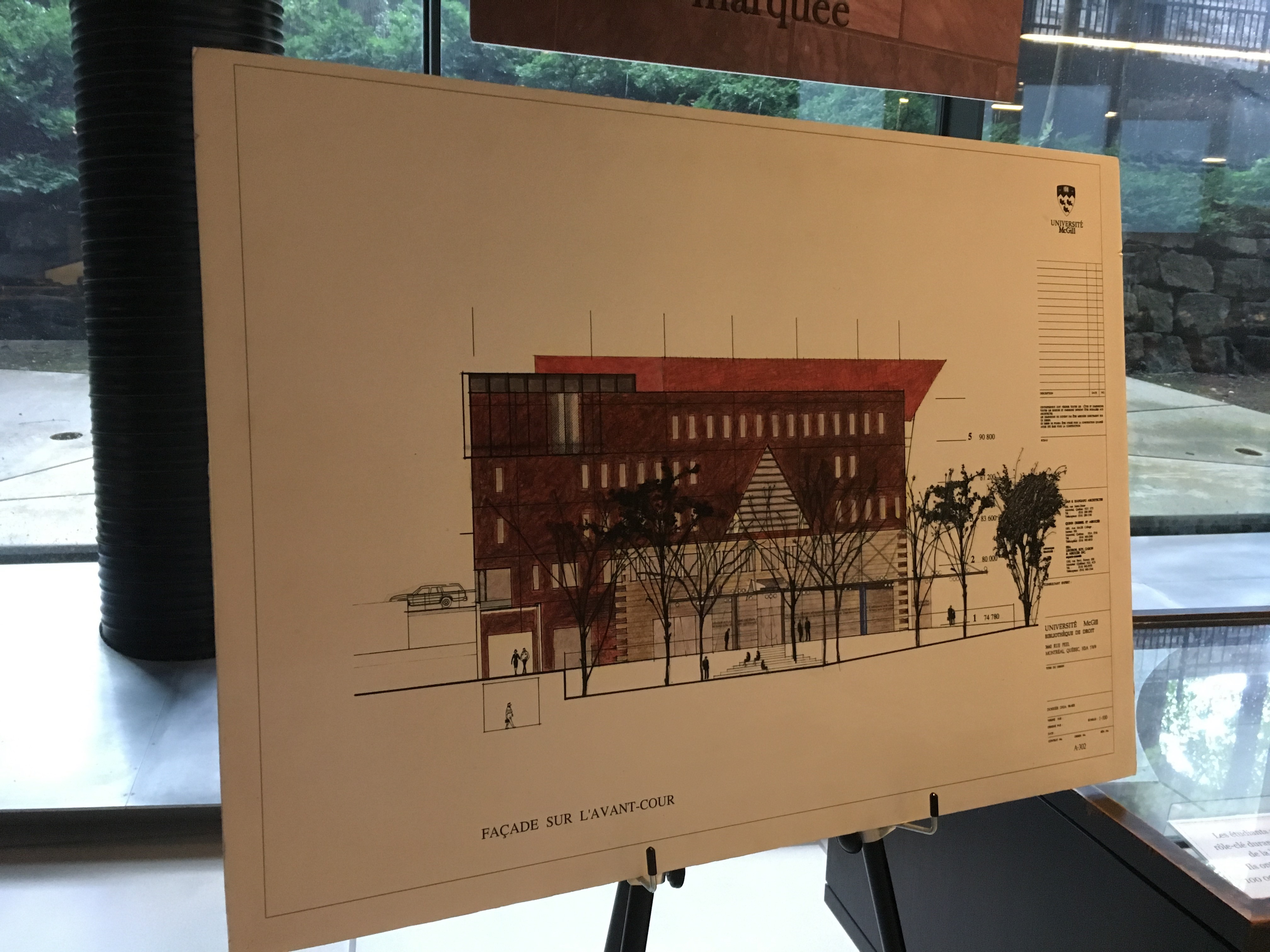
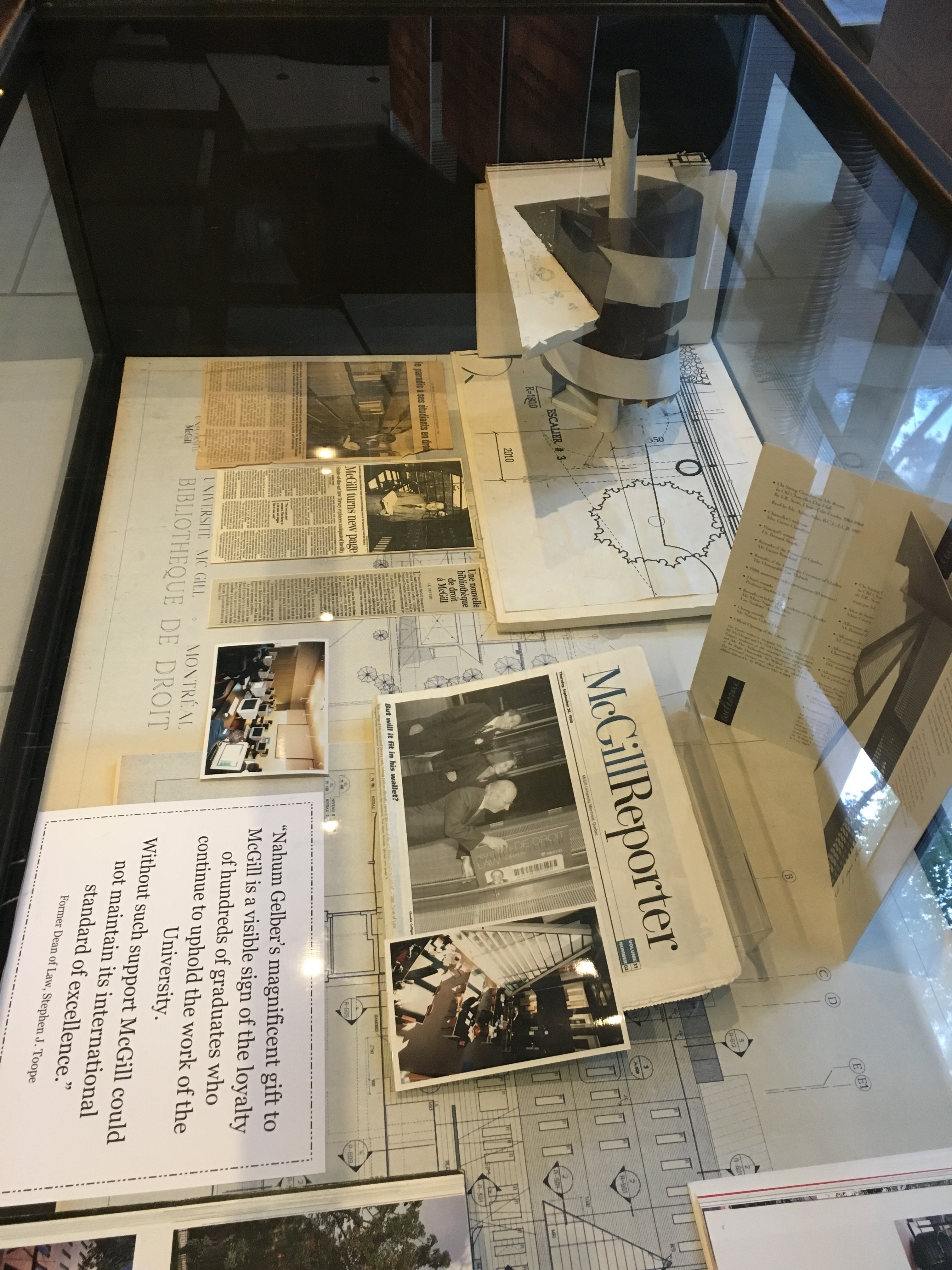
2018 marks the 20th anniversary of the current home of the McGill Law Library. This spectacular building named after one of our alumni and generous donor, Nahum Gelber, opened its doors for students 20 years ago, in September 1998.

To celebrate this occasion, we offer to our visitors a new exhibition featuring original plans, documents, students’ survey from 1997 on what they wanted to see in the new library, and a maquette of our famous staircase.

The exhibition was curated by Svetlana Kochkina and Sonia Smith.


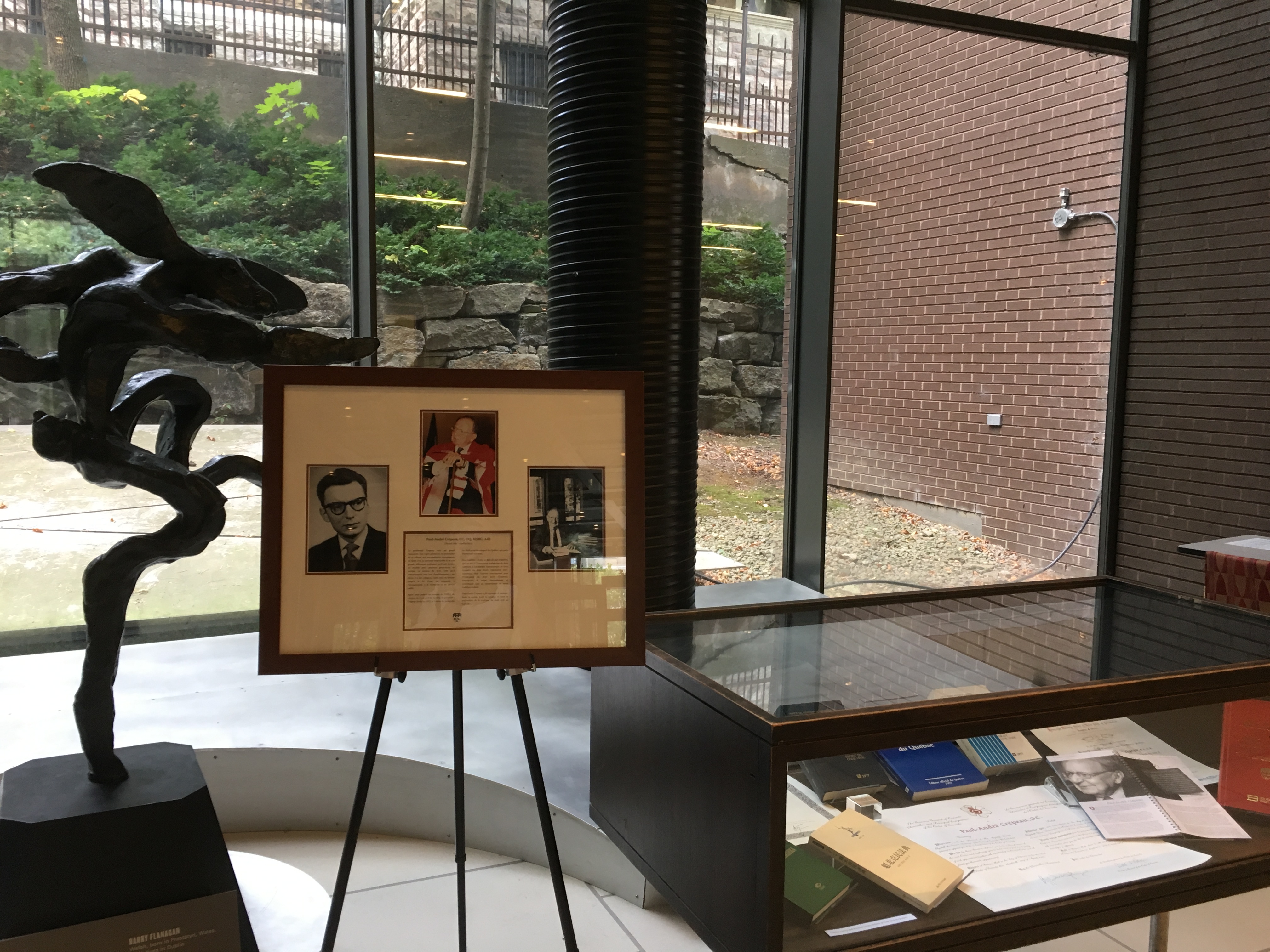
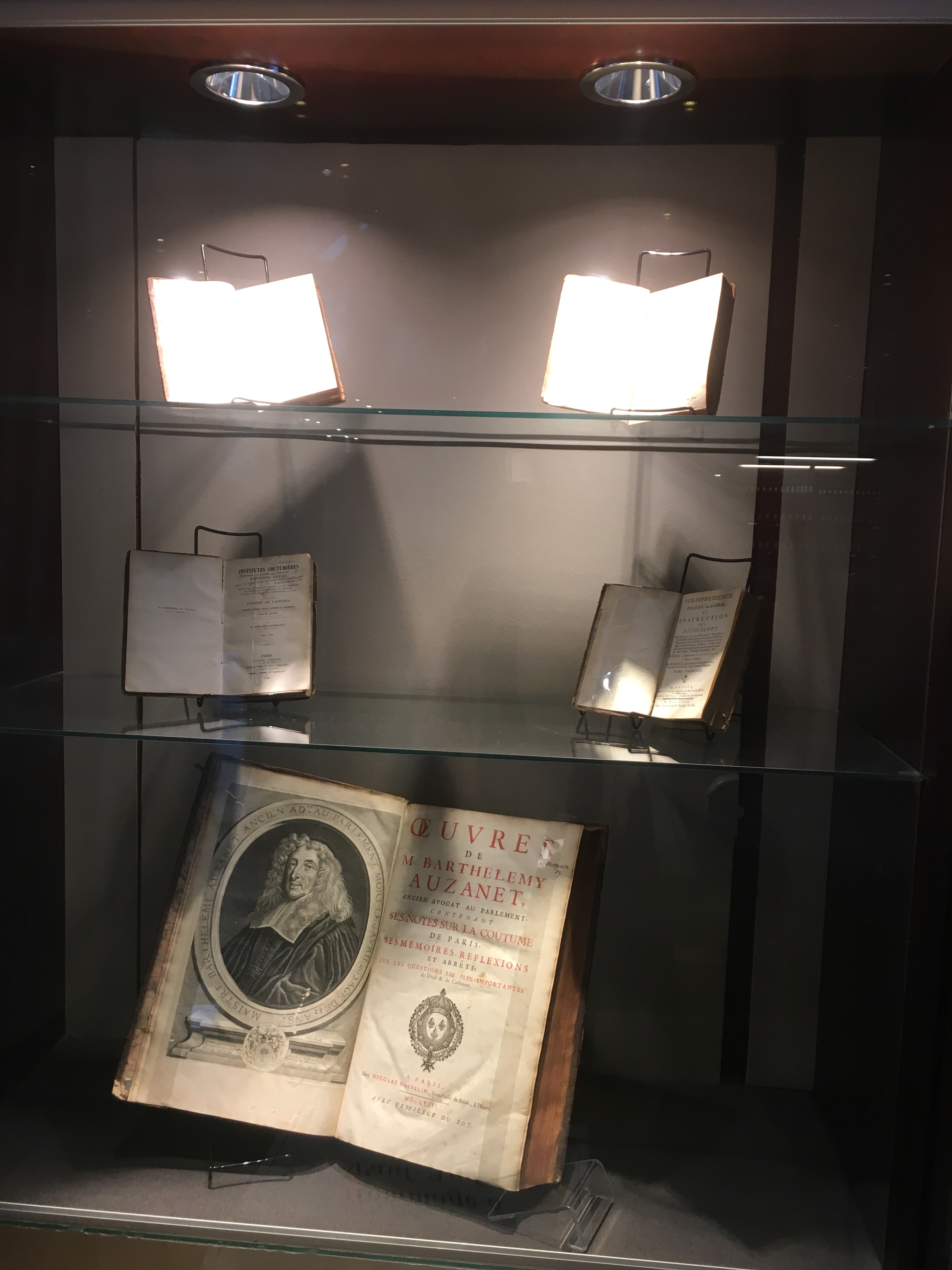
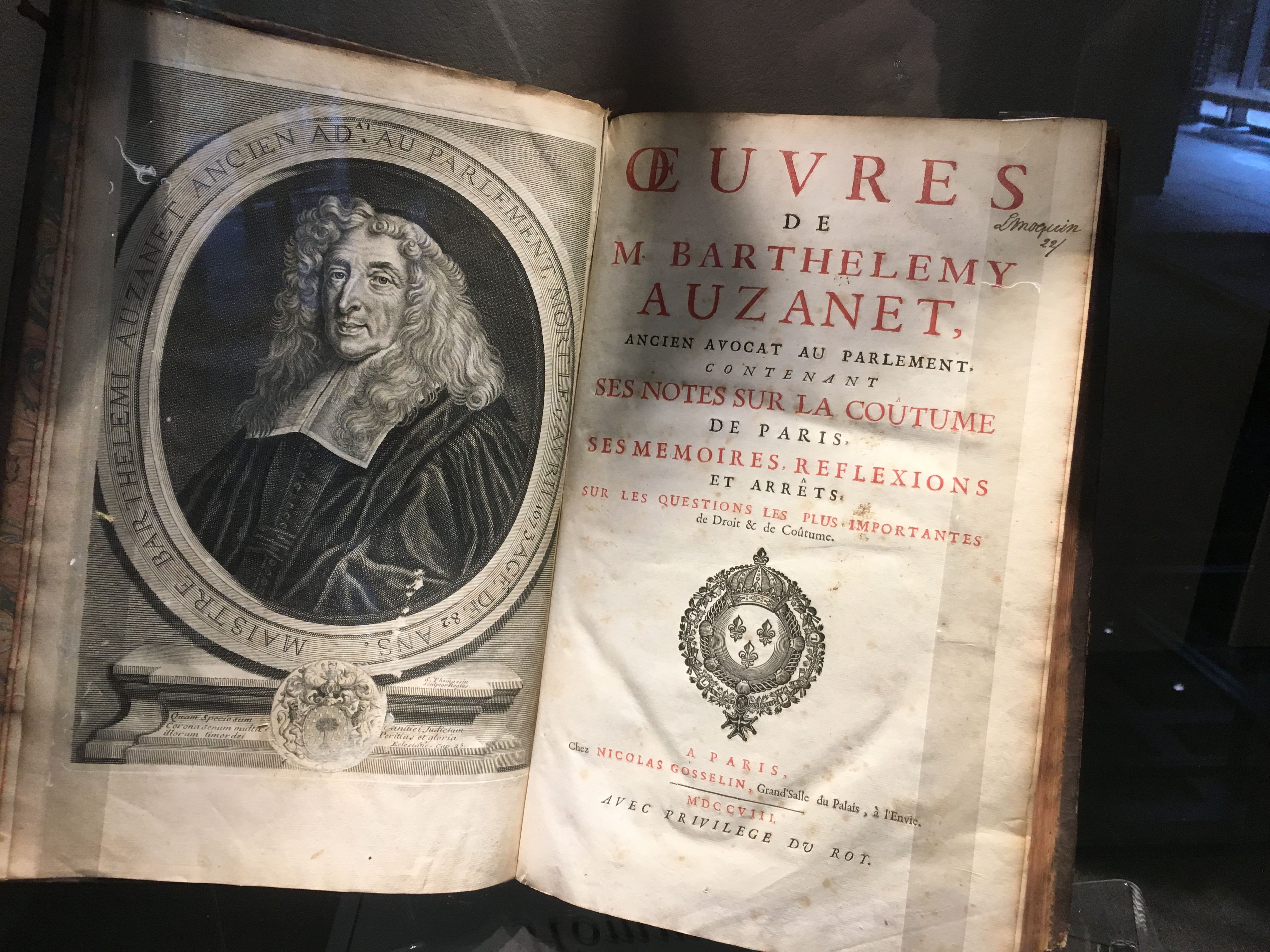
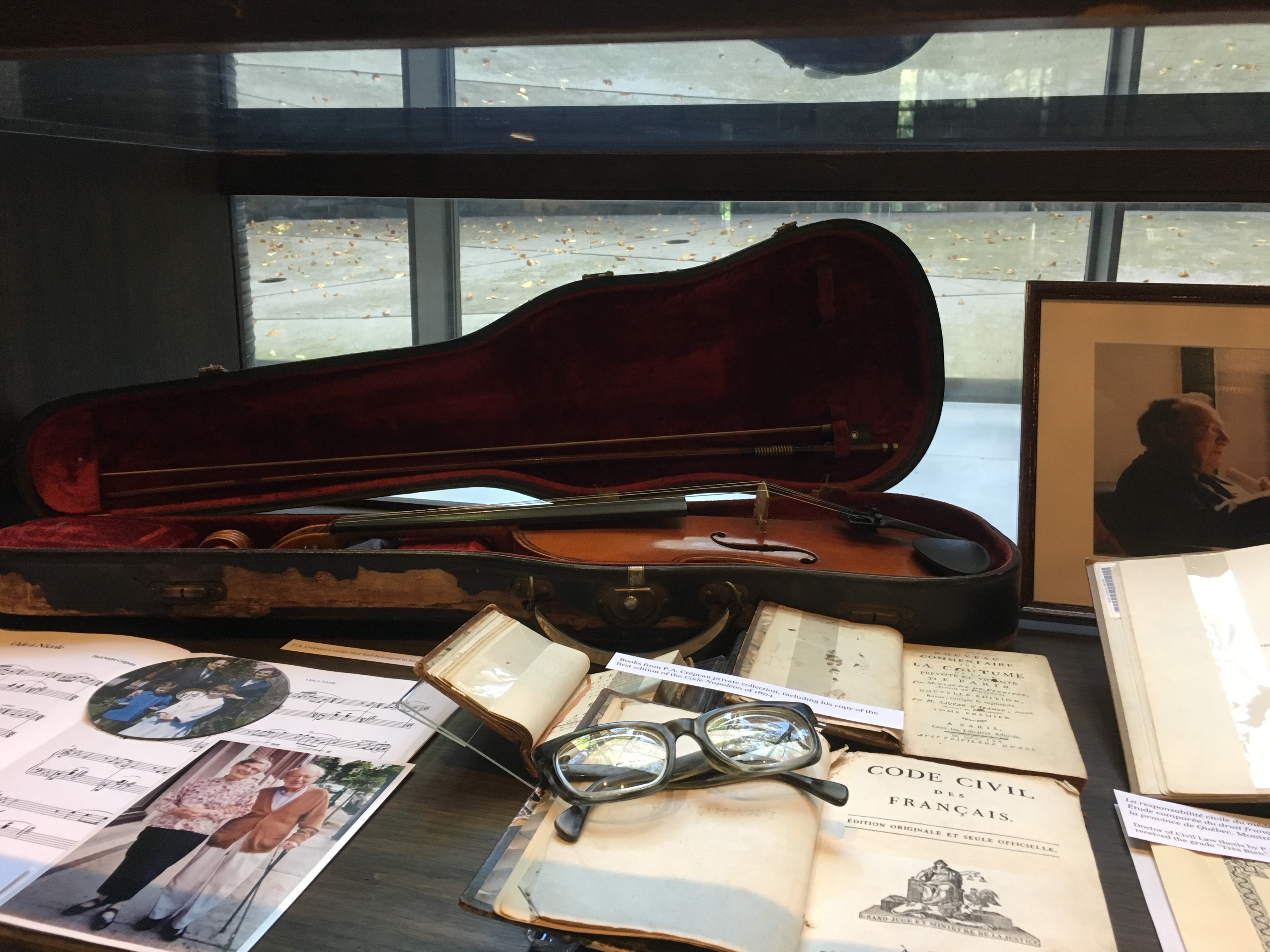
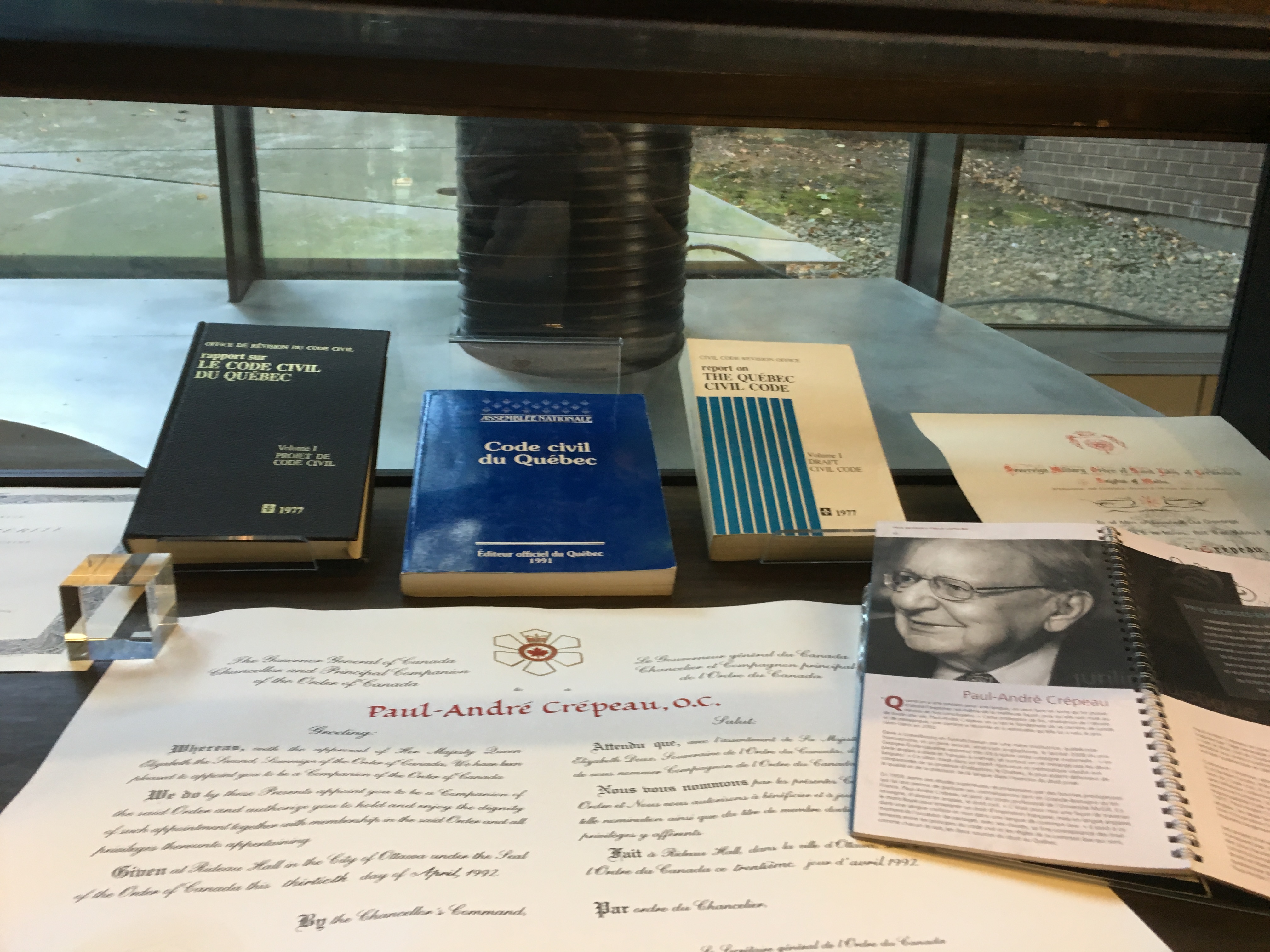
New Exhibition: Hommage à Paul-André Crépeau.

To honour the life and work of the late Professor Paul-André Crépeau (1926-2011) and to commemorate a generous donation of his research archives and private library to McGill University, the Nahum Gelber Law Library opens a new exhibition: Hommage à Paul-André Crépeau.

“Professor Crépeau was one of Canada’s greatest humanists. His penetrating intellect, the depth of his intellectual cultivation, his extraordinary knowledge of Civil Law, his boundless energy, his sound judgement, and his great tact and discretion, all explain why he became a model for several generations of legal scholars and practitioners. Thousands of students cherish life-long memories of their time with Professor Crépeau, as he invited them to immerse themselves in the millennial tradition of the Civil Law as well as its modern and particular expression in Quebec. He remained vibrant with his passion for the law, which he transmitted with so much enthusiasm to his students and colleagues, right to the end of a life devoted to teaching, research, and public service.”

Read the full obituary by former Dean of the Faculty of Law, Daniel Jutras, here:

Building Canada: One Law at a Time. New Exhibition at the Law Library

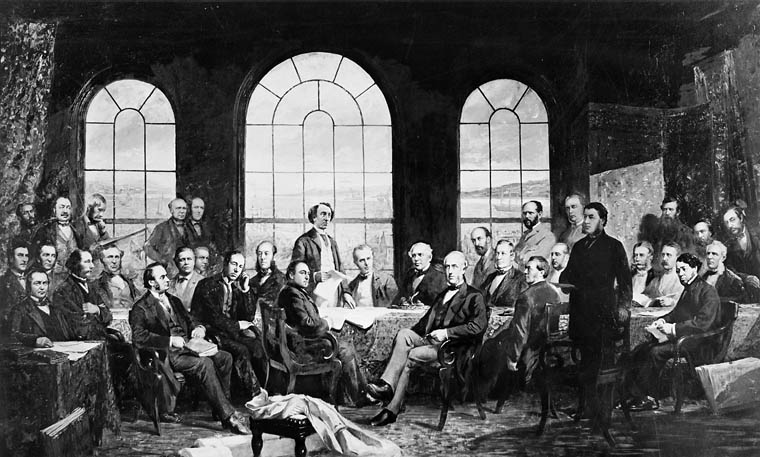
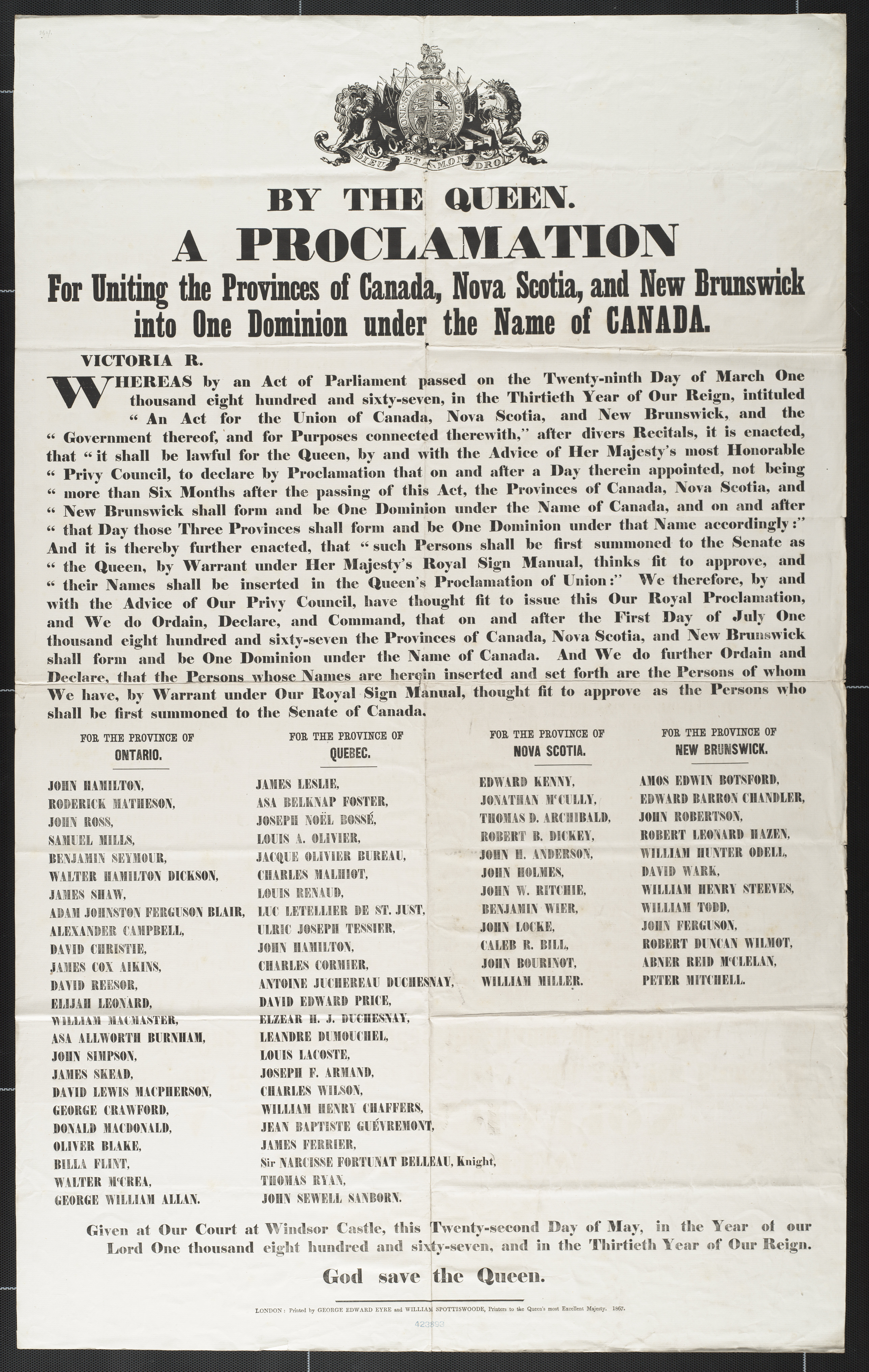
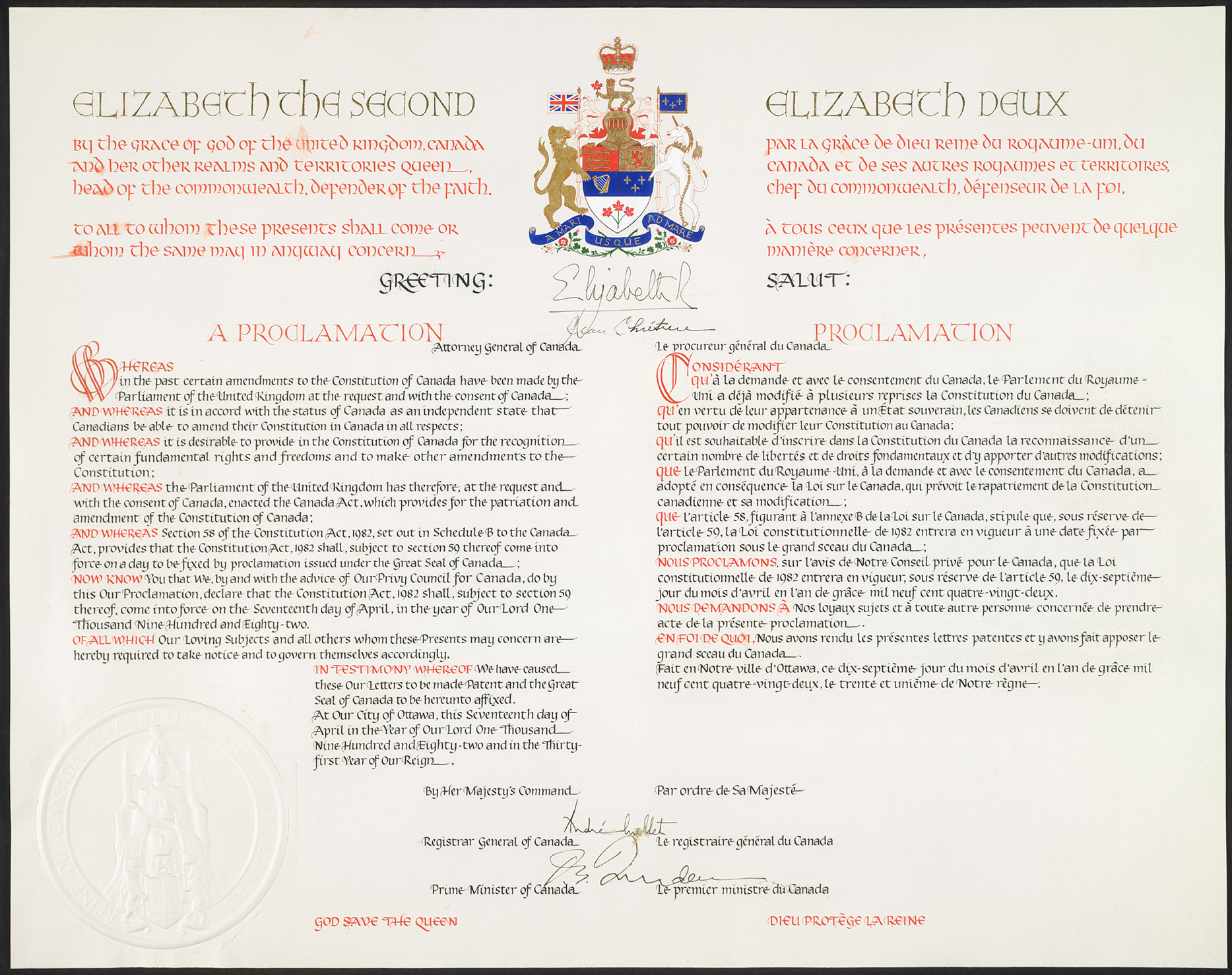
2017 marks the 150th anniversary of Canadian confederation, when the British North America Act of 1867 created the Dominion of Canada by unifying the colonies of Province of Canada (Upper and Lower Canada that will later become Ontario and Quebec), Nova Scotia, and New Brunswick. 

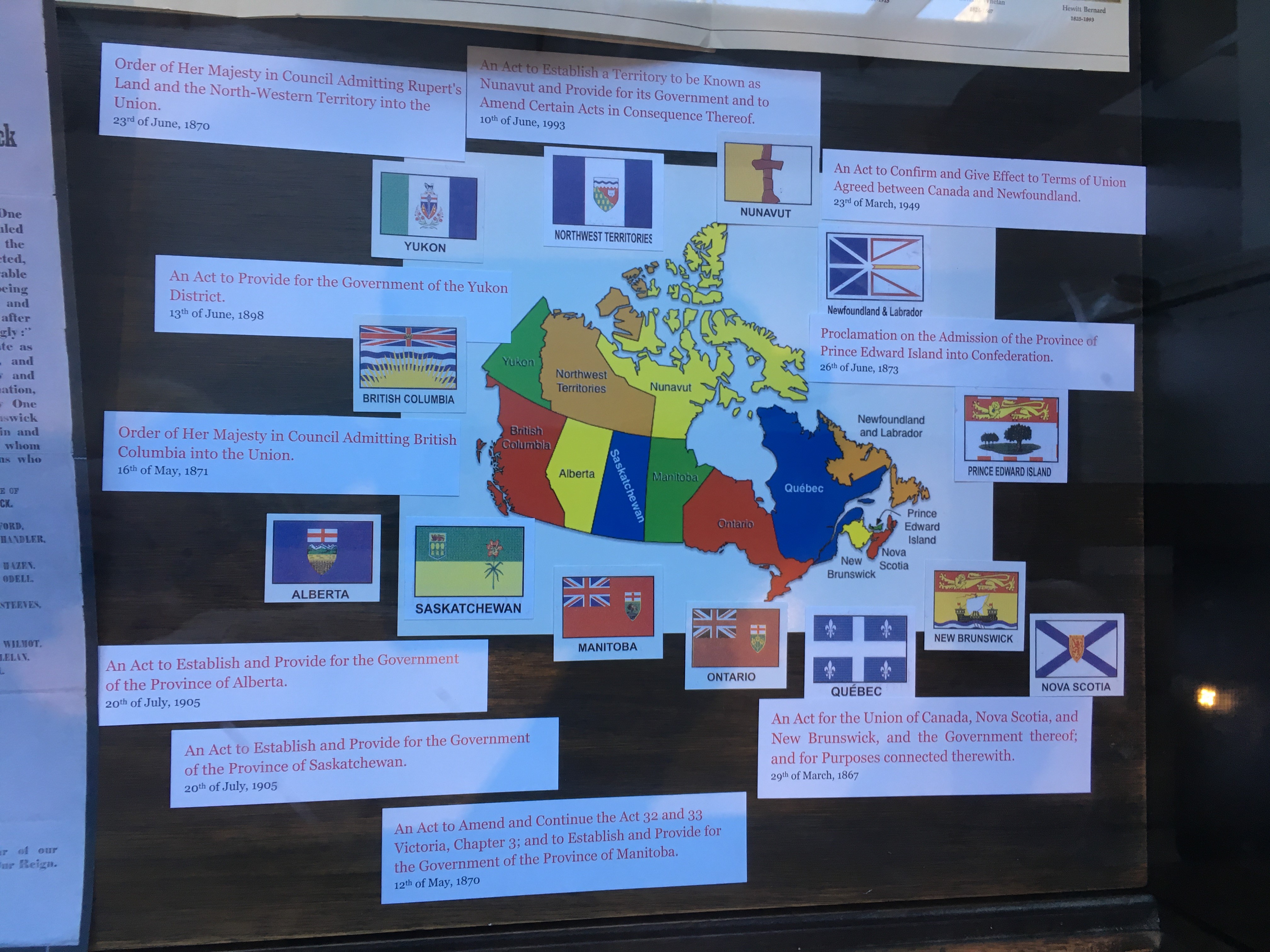
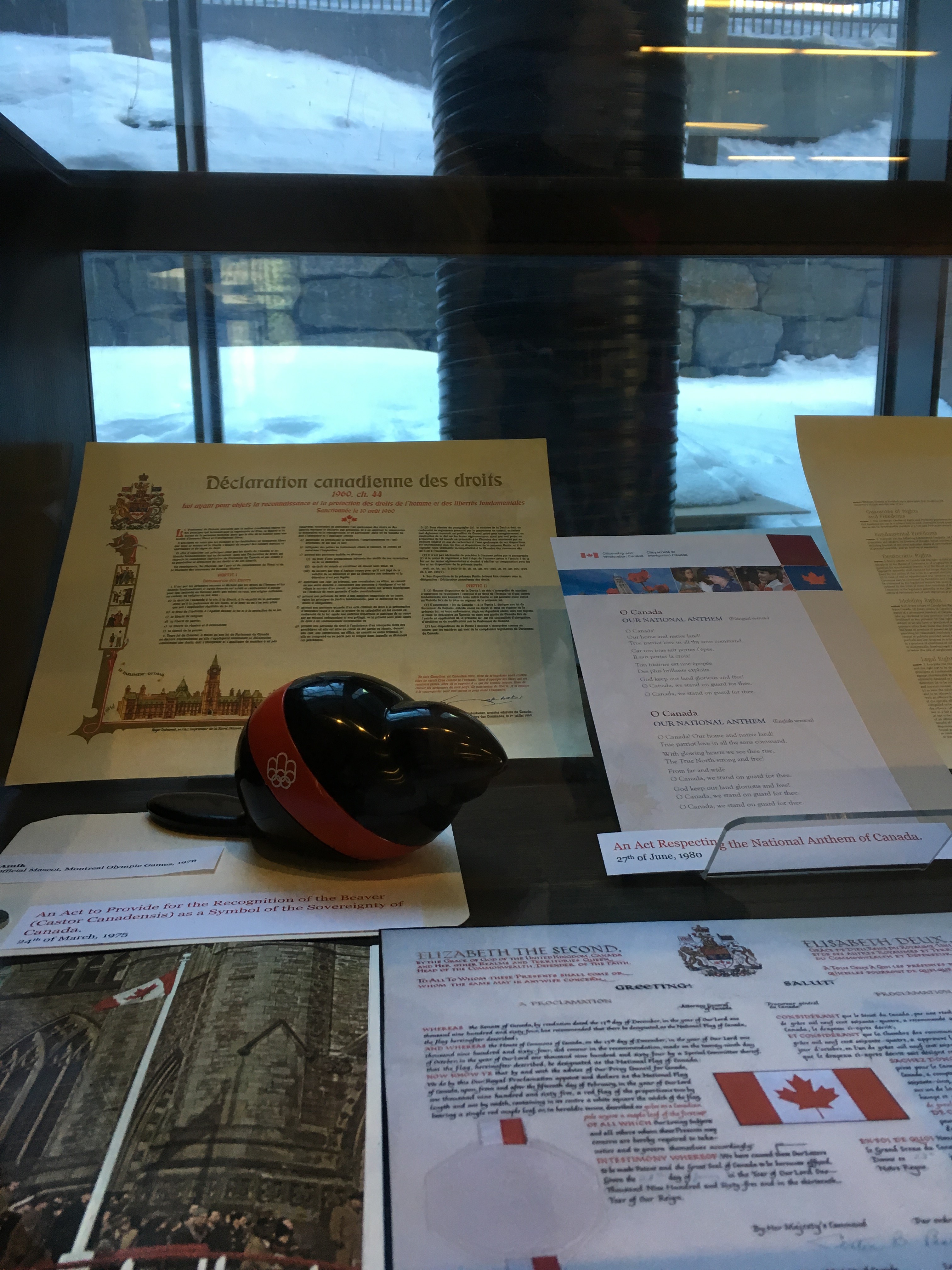
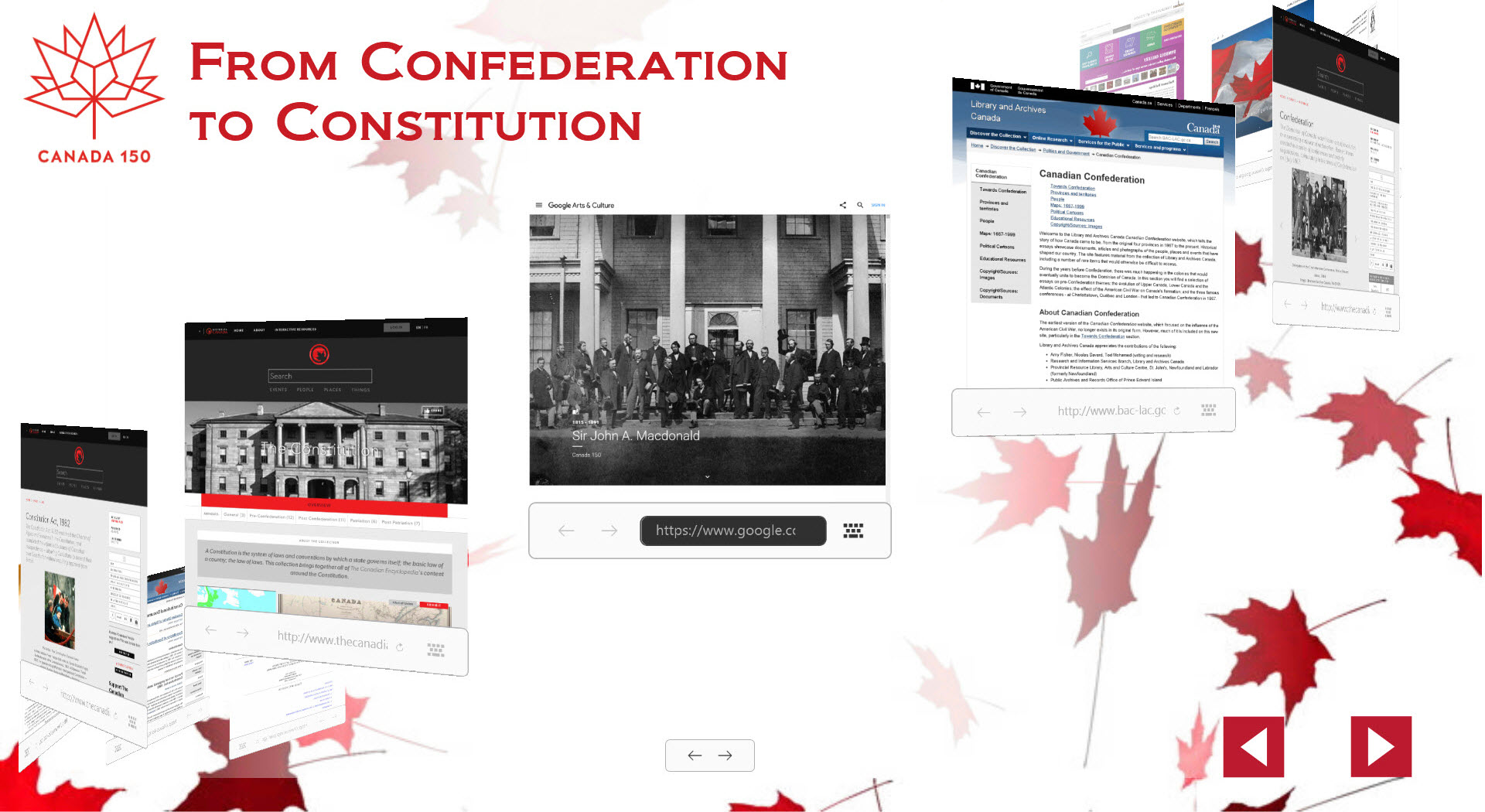
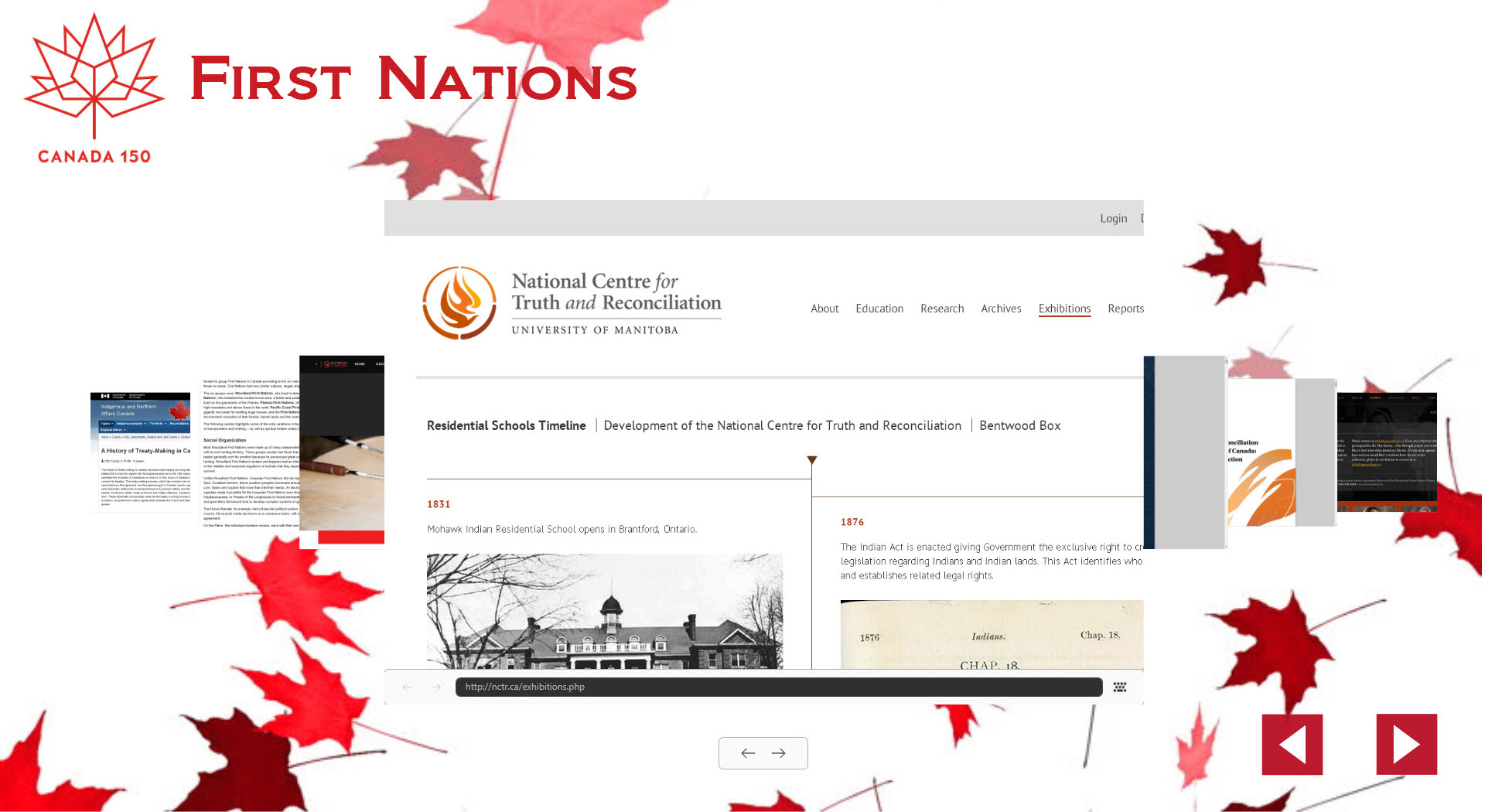
Commemorating the jubilee, the Law Library offers to its visitors a new exhibition, Building Canada: One Law at a Time. The blended-media exhibition highlights statutes and other legislative acts and agreements marking important dates and watershed moments in the process of building the country: creation of the Confederation, process of joining the Confederation by provinces and territories, the relationship with Canadian First Nations, the Constitution, and an official adoption of Canadian national symbols.

The material part of the exhibition features primary documents, books, reproductions of archival documents, and memorabilia.

The exhibition expands into a digital realm paying specific attention to the history of First Nations in Canada and showcasing reproductions of archival documents, photographs, testimonies of the survivors of residential schools, and video materials presented on the digital touch table.


The use of touch-table for this Law Library exhibition is a part of the McGill Library Innovation in Service project. The exhibition was curated by Svetlana Kochkina and Sonia Smith.

Nuremberg Trials Exhibition Goes Digital

exhibit-home

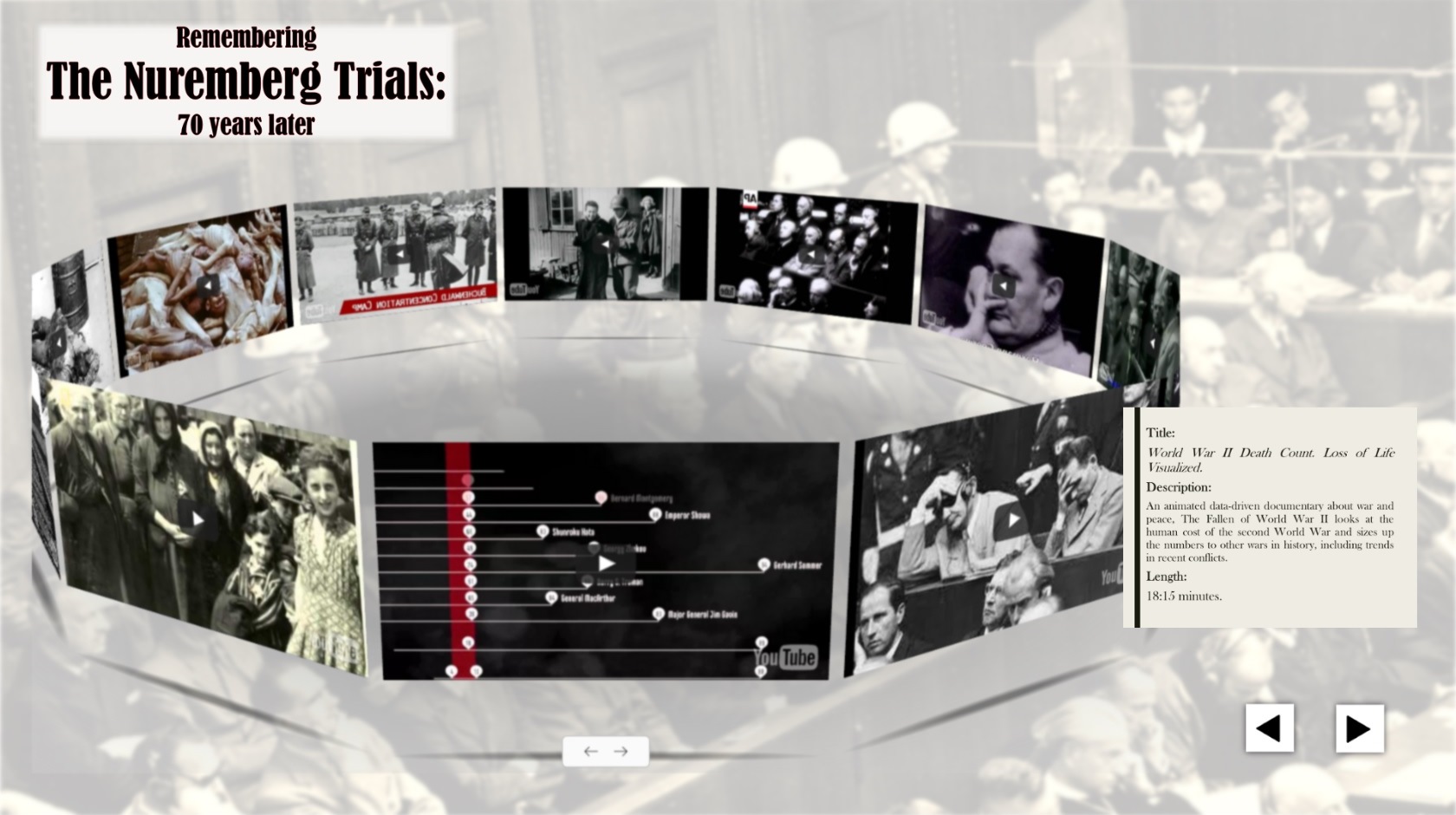
New digital materials have been added to the Law Library exhibition commemorating the 70th anniversary of the end of the International Military Tribunal, the most known and the most important of the Nuremberg Trials. The exhibition includes now digital materials presented on an interactive touch-table.

img_0020

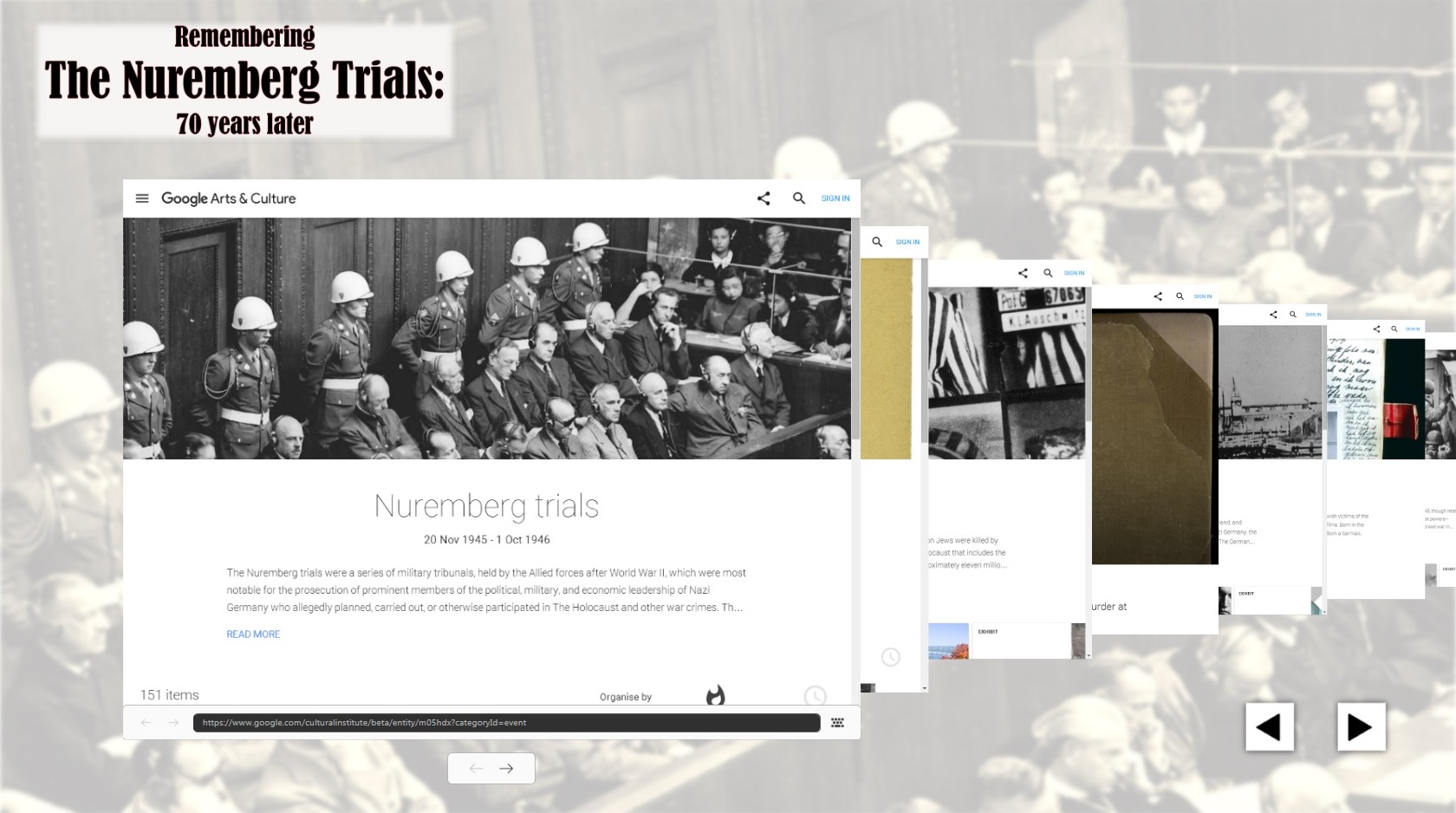
It features archival footage, photo documents, testimonies of the survivors of concentration camps, reproductions of archival documents, and visual materials illustrating Nazi crimes during the Second World War in Europe and the International Military Tribunal itself. You can browse through scanned documents, watch footage taken at the trials, and search through the collections of documents from the Harvard Law School Nuremberg Trials project, United States Holocaust Museum, and many others.

exhibit-slide-2

exhibit-slide-3

The use of touch-table for this Law Library exhibition is a part of the McGill Library Innovation in Service project. The exhibition was curated by Svetlana Kochkina and Sonia Smith.

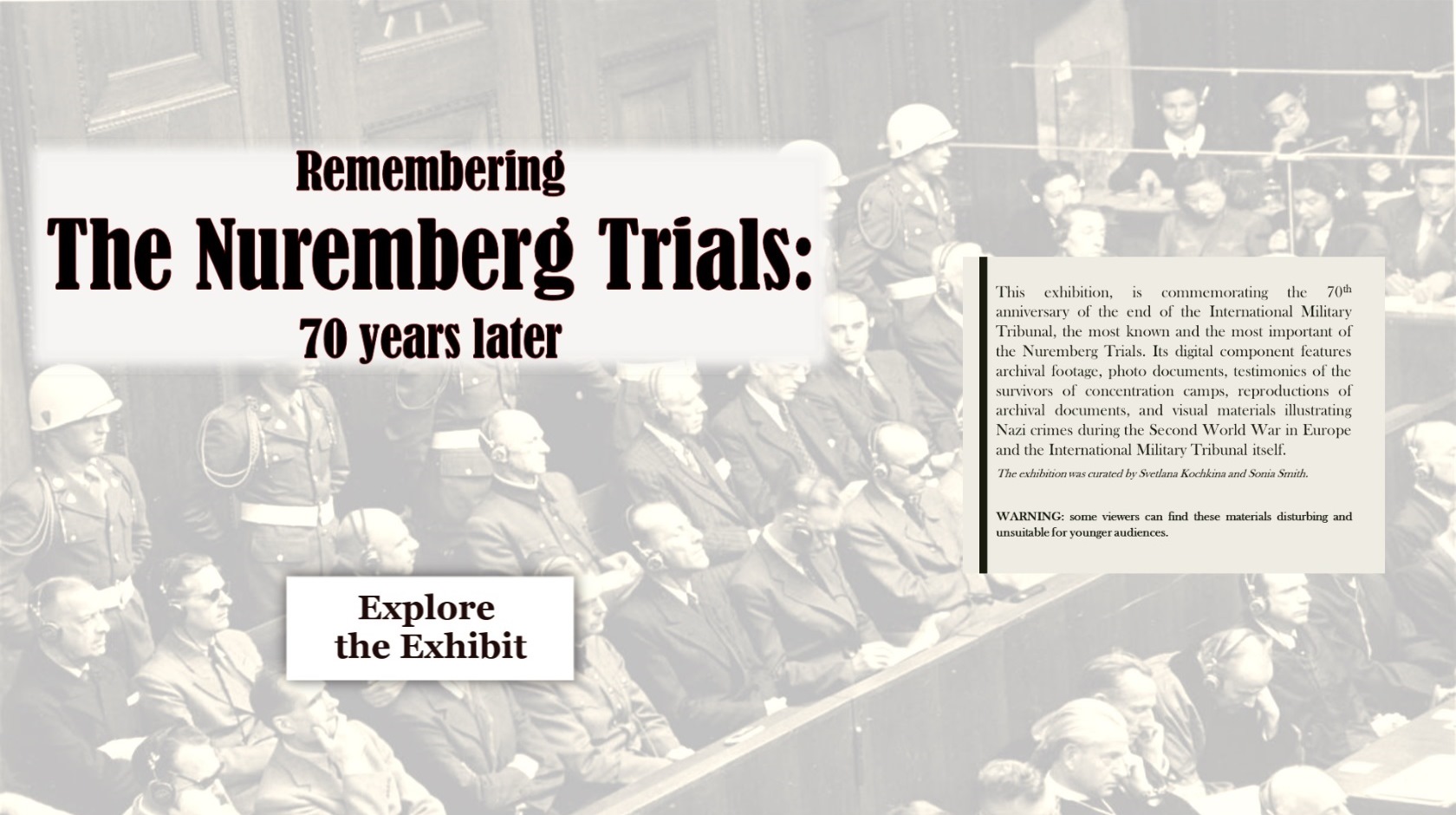
New Exhibition: Remembering the Nuremberg Trials: 70 Years Later

nuremberg final

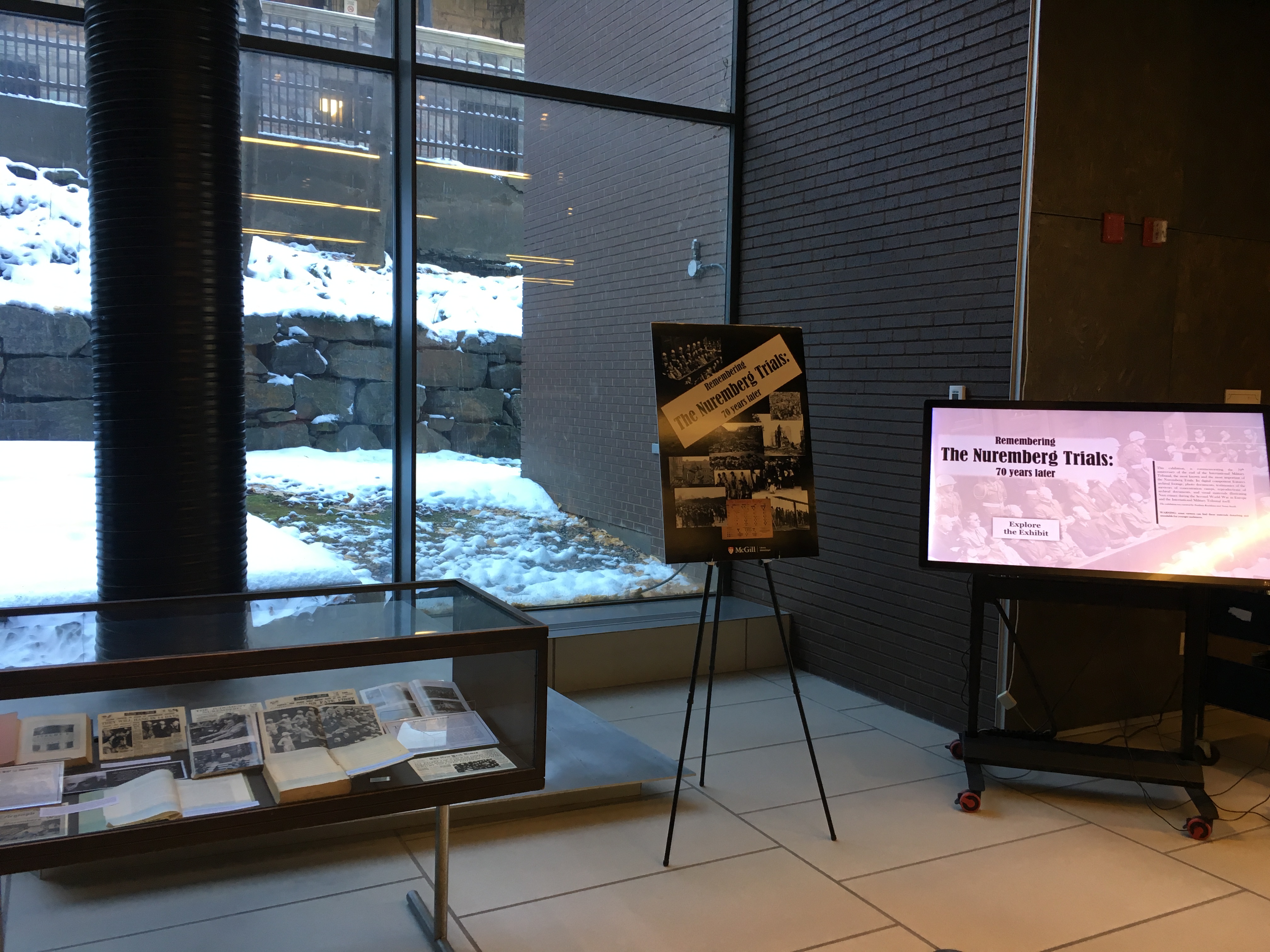
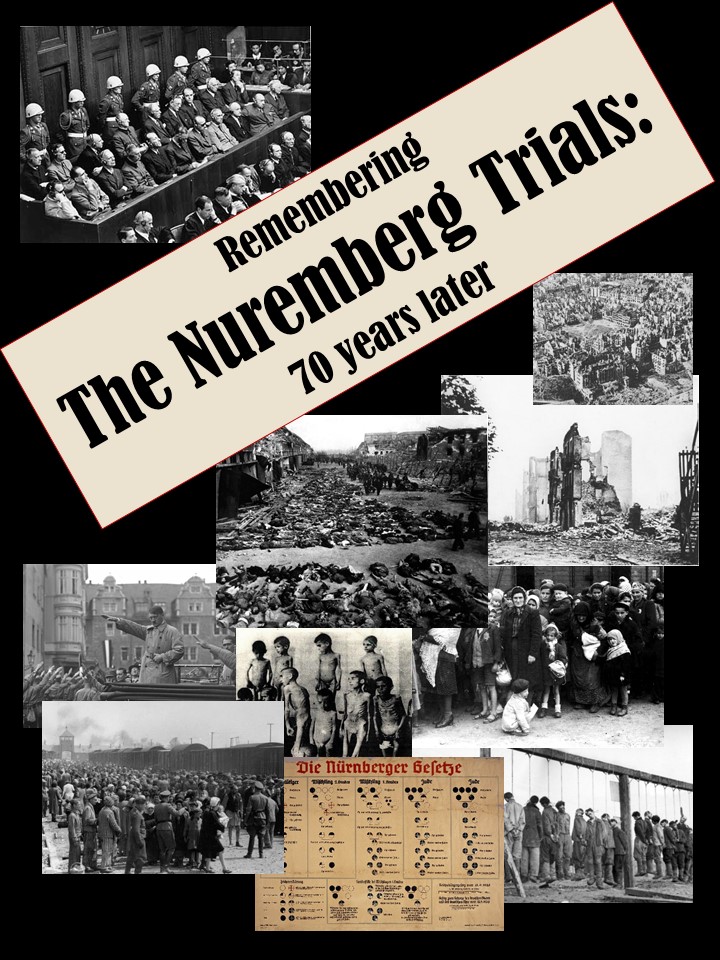
New exhibition at the Law Library is commemorating the 70th anniversary of the end of the International Military Tribunal, the most known and the most important of the Nuremberg Trials. The exhibition, curated by Sonia Smith and Svetlana Kochkina, features print materials, books, reproductions of archival documents, and visual materials illustrating Nazi crimes during the Second World War in Europe and the International Military Tribunal itself. We also have a selection of books on the subject that can be borrowed by our users (on the book truck next to the exhibition cases).

About the Nuremberg Trials:

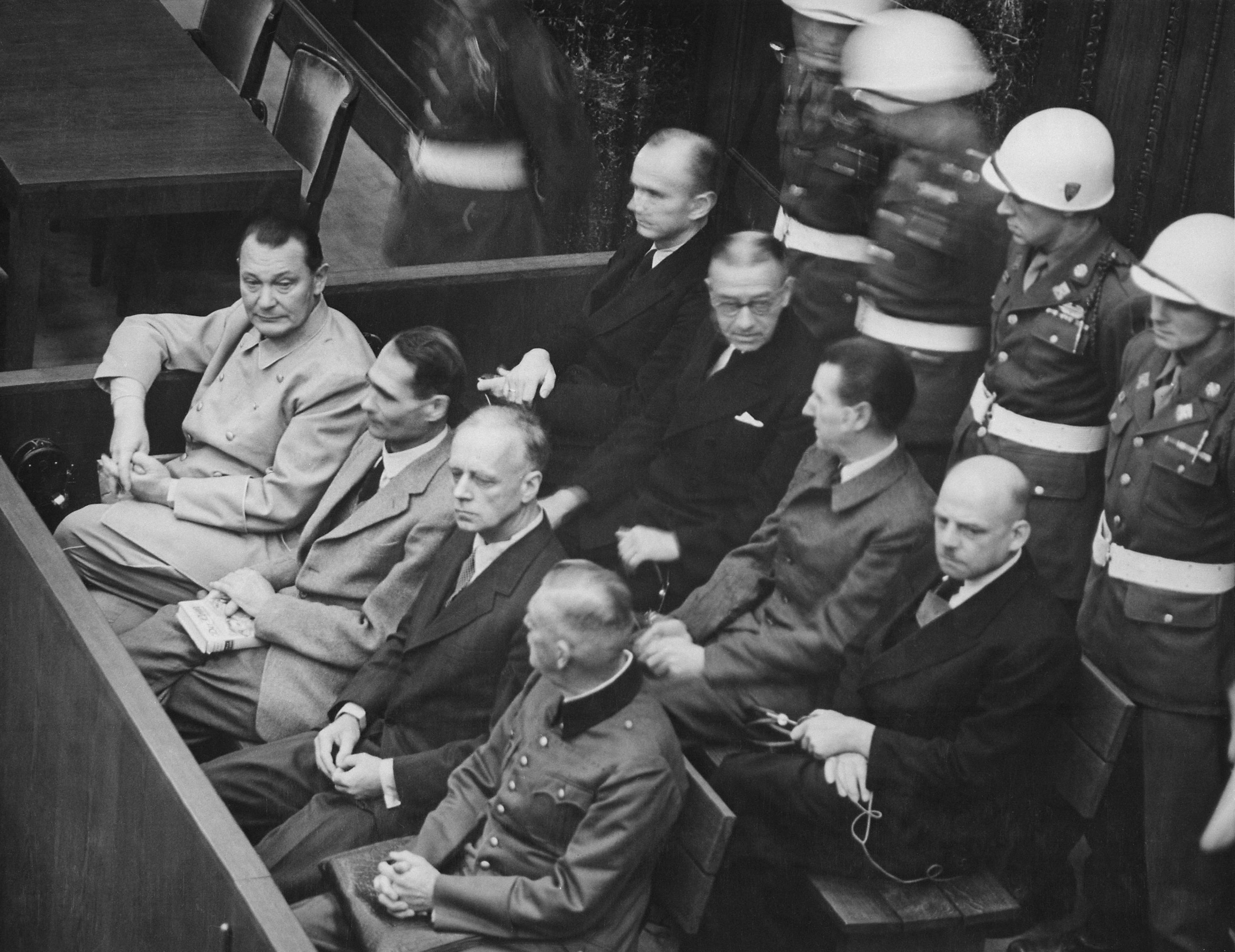
The Nuremberg Trials were a series of 13 trials of accused World War II German war criminals held from 1945 to 1949 in Nuremberg, Germany. The first trial, the International Military Tribunal (IMT), held at the Nuremberg Palace of Justice, was prosecuted by the four Allied powers (Great Britain, France, United States, and USSR) against the top leadership of the Nazi regime in 1945-1946.

The defendants, among them Hermann Göring, Rudolf Hess, Joachim von Ribbentrop, Alfred Rosenberg, Julius Streicher and Fritz Sauckel, were charged under three categories of crimes:

  • Crimes against Peace: namely, planning, preparation, initiation or waging of a war of aggression, or a war in violation of international treaties, agreements or assurance.
  • War Crimes: namely, violations of the laws or customs of war.
  • Crimes against Humanity: namely, murder, extermination, enslavement, deportation, and other inhuman acts committed against any civil population, before or during the war, or persecutions on political, racial, or religious grounds.

In the other twelve trials held by the United States in the Nuremberg Military Tribunals (NMT) from 1946 to 1949, a variety of Nazi governmental, military, industrial, and professional leaders were prosecuted.

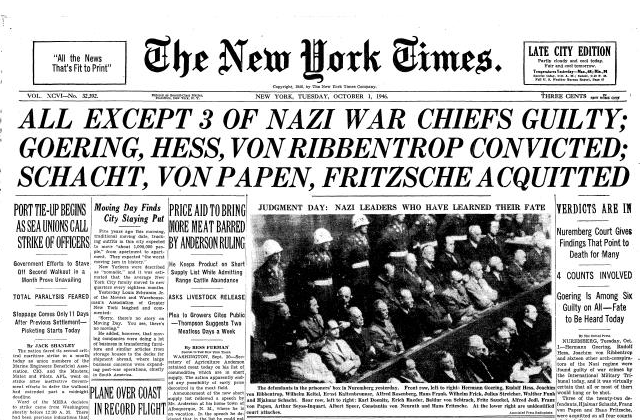
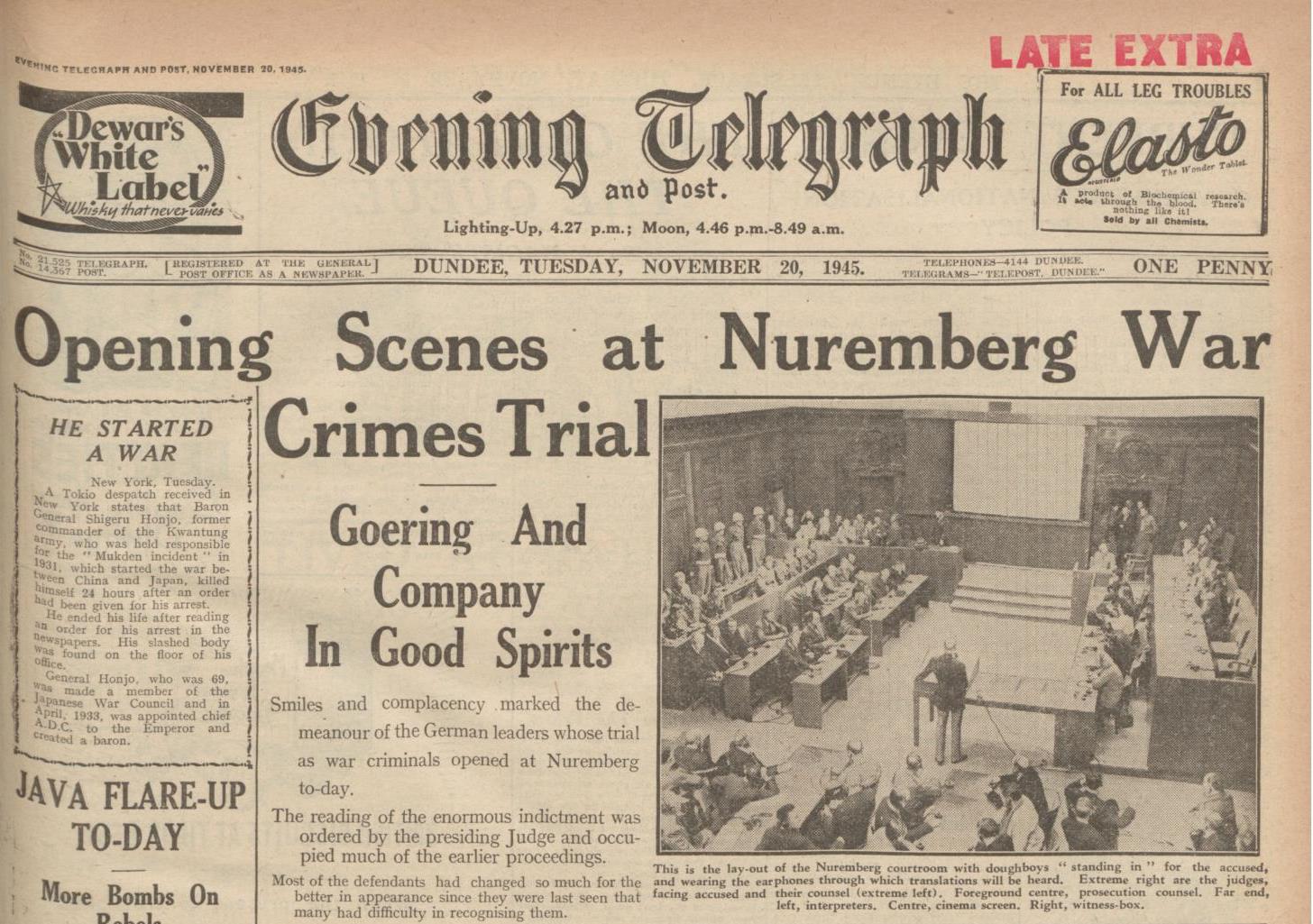
NYT page 1 Evening TelegraphThe post-World War II trials of German and Japanese war criminals were established to create a standard of conduct acceptable in time of war, to try cases of atrocities against humanity, and, most importantly, to document those atrocities so that a permanent historical record would be created. The American legal presence compiled a formal record of the trials consisting of captured German government records, evidentiary material, interrogations, correspondence, memoranda, briefs, and transcripts of the trials. Those involved considered it of paramount importance to preserve this documentation of the trials and of the purposes for which they were held.

The Nuremberg Trial was an early experiment in simultaneous translation. The Charter of the International Military Tribunal stated that the defendants had the right to a fair trial, and that all proceedings be translated into a language that the defendants understood. Because of the trial’s complexities, the subject matter, and the different languages spoken by the defense, prosecution, and the judges, it was decided that using a simultaneous translation system would work best.

The Second World War in Numbers:

The Second World War was the deadliest conflict in human history marked not only by the number of combat only but also by mass deaths of civilians, systematic extermination of people deemed “racially inferior”, death camps, killing of prisoners of war (POWs) on a massive scale, and use slave labor perpetrated by Nazi Germany and its allies and collaborators.

The Holocaust was the systematic, bureaucratic, state-sponsored persecution and murder of 6 million Jews. Nazi authorities also targeted other groups because of their perceived “racial inferiority”: Roma, the disabled, and some of the Slavic peoples (Poles, Russians, and others), or on political, ideological, and behavioral grounds, among them Communists, Socialists, Jehovah’s Witnesses, and homosexuals.

In 1933, the Jewish population of Europe stood at over nine million. By 1945, the Nazi and their collaborators killed nearly two out of every three European Jews as part of the “Final Solution,” totaling the number of death to more than 6 million men, women and children. Other victims of Nazi racial policy include some 200,000 Roma. At least 200,000 mentally or physically disabled patients, mainly Germans, living in institutional settings, were murdered in the Euthanasia Program. Close to 3 million Soviet POWs targeted as Slavic “sub-humans” were murdered or died of starvation, disease, neglect, or maltreatment. The Nazi forced into slave labor more than 7 million people from almost twenty European countries. Many workers died as a result of their living conditions with mistreatment, malnutrition, and torture being the main causes of death.

Even though an exact number of casualties and victims is still unknown, the total is assessed between 40 and 50 million deaths with almost half of them civilians.  The European countries that suffered the biggest losses were: Poland that lost close to 15% of its population (about 5.8 million deaths (including 300 000 military only), the USSR with about 20 – 18 million deaths (including 7 million civilians) that makes 10% of its population, and Yugoslavia, with 1.5 million deaths (75% of them civilian) or close to 8% of the population.

Germany and Austria combined lost 4.4 million soldiers (with 3.5 million on the Eastern front) and close to 500 000 civilians.

From: Encyclopedia Britannica, Encyclopédie Larouss, Harvard Law School Library. Nuremberg Trials Project: A Digital Document Collection, and Holocaust Encyclopedia of the USHMM


New Book Exhibit: Le droit en images: Faire rire, découvrir et apprendre

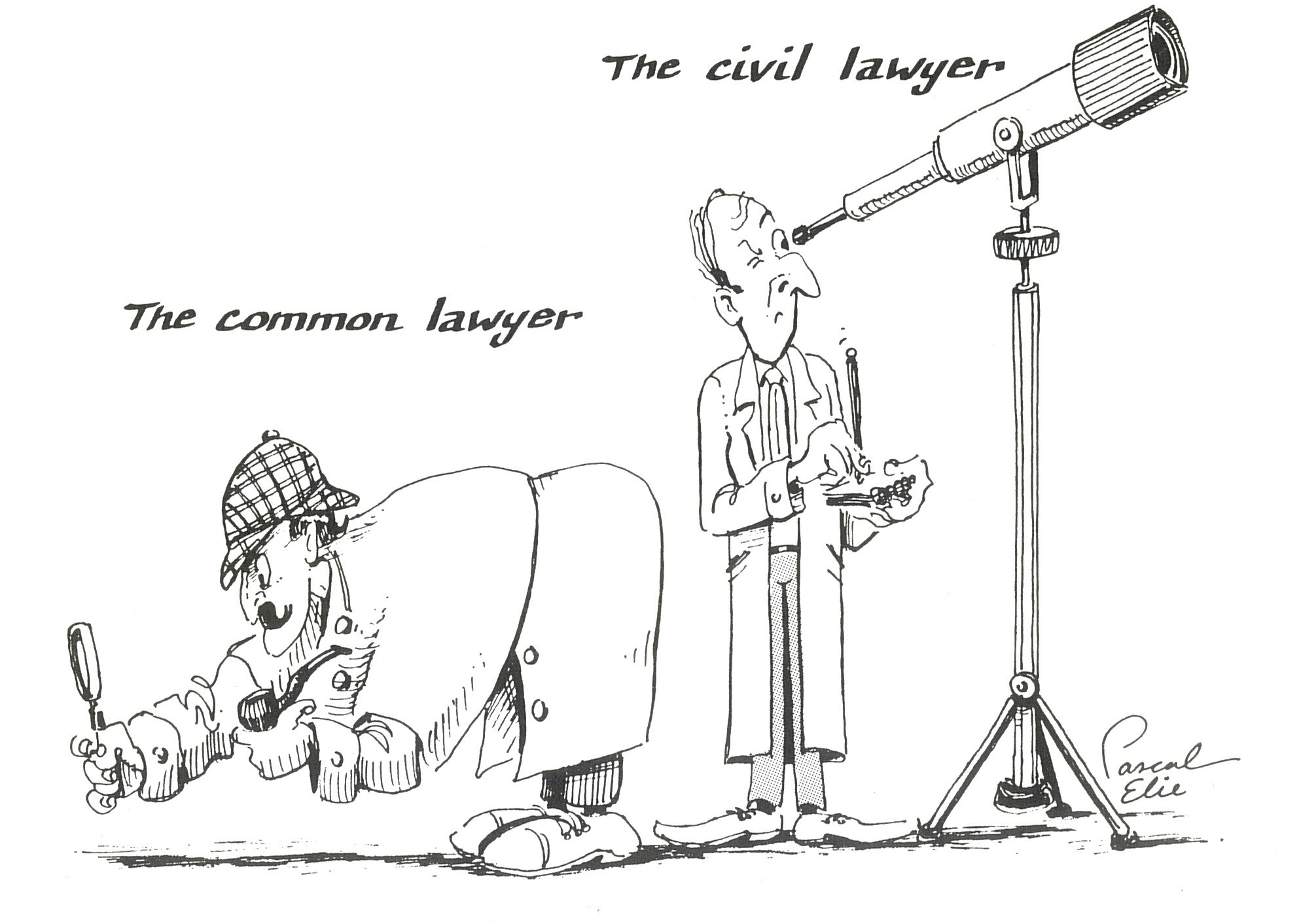
correct law and art posterImages and law – the first association between these two words that probably springs into your mind is the copyright law or cultural property law. However, the connection between law and visual art is more complex and manifold: hand-drawn sketches are still used to illustrate trials unraveling in courtrooms; lawyers are one of the most favourite and rather easy targets for the cartoonist around the globe; while legal books, law firms, and law libraries are filled with the stern looking portraits of be-wigged and be-robed judges and barristers…

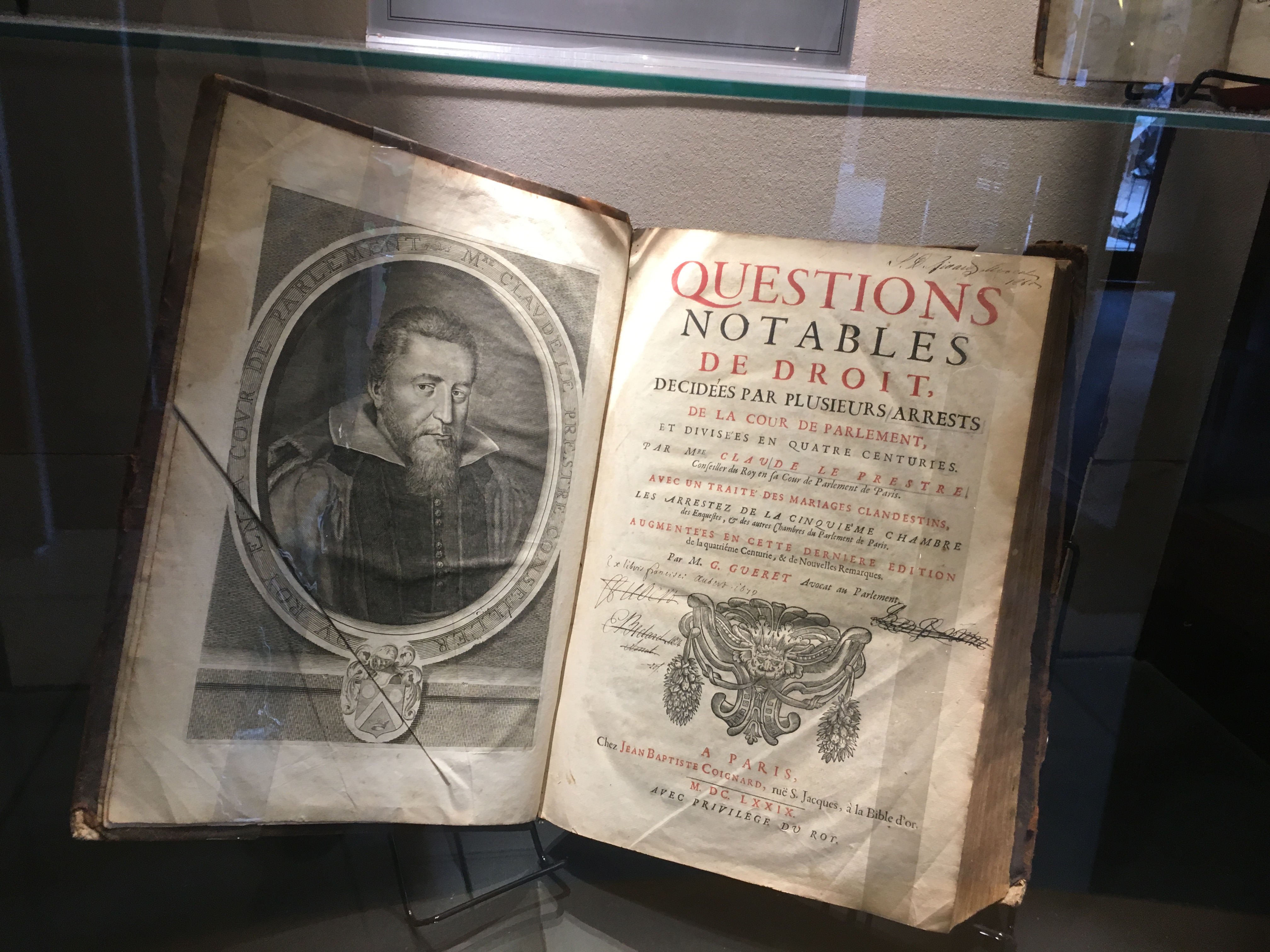
The upcoming exhibit illustrates yet another facet of the relationship between law and an image: the use of visuals in legal books to illustrate, explain, and discuss law and legal concepts. This tradition dates back to the early days of legal literature, with the lavishly illuminated manuscript of Sachsenspiegel being one of the most known examples. To help you dispel the winter blues and the gloom of your impending mid-terms, the exhibition Le droit en images mostly showcases the books that use the imagery to explain and talk about law in a rather light-hearted and humorous way.

DOC 21 DOC 4